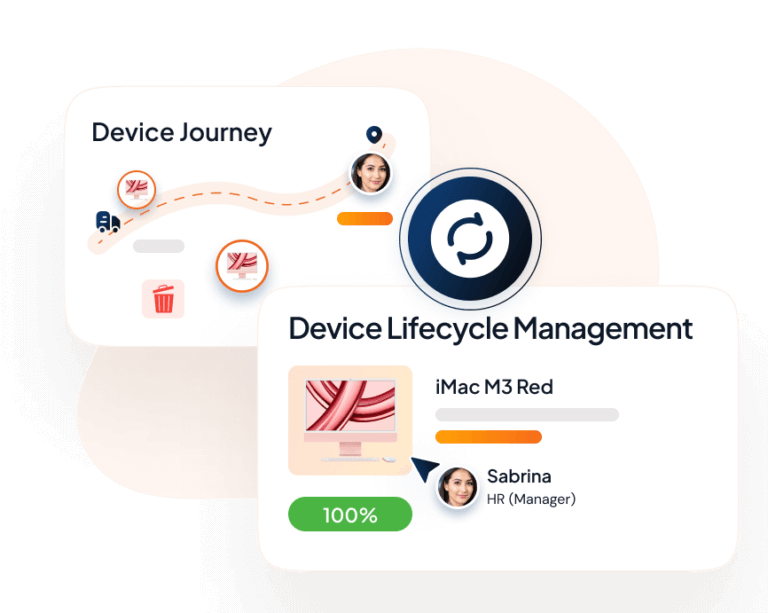
Managing enterprise devices has never been more challenging. With remote work rising by 400% since 2010 and the average company using over 1,000 devices, IT leaders are under immense pressure to manage devices effectively.
From provisioning to secure disposal, every stage of the device lifecycle demands attention.
As enterprises juggle smartphones, tablets, laptops, and desktops across iOS, Android, Windows, and macOS, the risks and inefficiencies pile up.
Security breaches, outdated hardware, and rising costs are just a few consequences of unmanaged IT asset lifecycles. A structured approach to device lifecycle management is no longer optional; itʼs essential.
Key Takeaways
- Remote work’s 400% rise since 2010 and over 1,000 devices per company demand effective device lifecycle management.
- A structured DLM approach enhances security, reduces costs, and prevents breaches across diverse device types.
- Unduit automates the full IT asset lifecycle, from procurement to disposal, with real-time tracking and compliance.
- Key device lifecycle management stages are IT Asset planning, provisioning, maintenance, and decommissioning.
- AI-driven automation and centralized tracking in DLM boost efficiency and minimize downtime for enterprises.
- Streamlined device setup and lifecycle management for consistent performance across hybrid workplaces.
Unlock Seamless IT Asset Management with Unduit.
Discover how our platform automates the entire IT asset lifecycle, from procurement to disposal.
Book a Demo!What is Device Lifecycle Management?
Device Lifecycle Management (DLM) is the process of managing the complete lifecycle of a device, from procurement to disposal. This includes all the activities in different phases:
⦁ Planning
⦁ Procurement
⦁ Deployment
⦁ Maintaining
⦁ Retiring devices.
Device lifecycle management is a crucial part of any organization’s asset management strategy, as it helps to optimize the performance and costs of devices, while also ensuring compliance with relevant regulations.
For IT teams, managing devices smartly means fewer surprises and more control. With the right systems and automation in place, you can gain full visibility into your device ecosystem, reduce waste, strengthen security, and keep your infrastructure running efficiently.
In short, DLM isn’t optional anymore. It’s how modern IT teams stay organized, secure, and cost-effective.
How DLM is Important for Enterprises?
A structured device lifecycle management (DLM) strategy brings order and visibility to enterprise mobility. By implementing centralized tracking, AI-driven automation, and proactive management policies, organizations can streamline operations, reduce waste, and prevent security gaps. Explore our guide on How Can Enterprises Stay Ahead with Device Lifecycle Management.
1. Cut Mobility Costs Without Losing Control
- Unmanaged mobility expenses spiral quickly through unused devices, unnecessary plans, and billing errors.
- Strategic lifecycle management optimizes telecom expenses while maintaining productivity and security standards.
2. Strengthen Security and Reduce Compliance Risks
- Enterprise mobility creates serious security vulnerabilities through unmanaged devices and unsecured networks.
- Comprehensive lifecycle management enforces encryption, compliance monitoring, and automated security protocols.
3. Maximize Mobility Efficiency and Performance
- Manual mobility management slows IT teams and creates device bottlenecks across organizations.
- AI-driven lifecycle management automates processes, reduces downtime, and optimizes device performance.
Types of Device Lifecycle Management (LCM)
Stages of Device Lifecycle Management
Device lifecycle management typically consists of five key stages that cover the entire lifespan of a device within an organization.
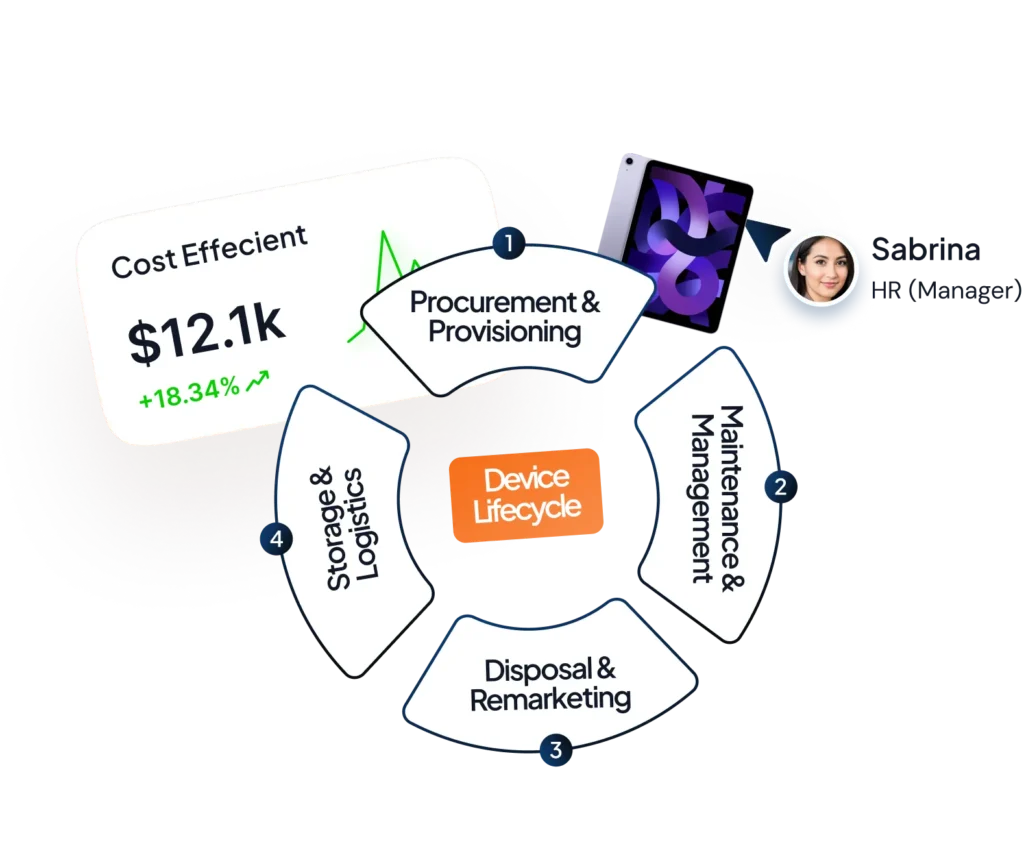
- Stage 1: Planning & Procurement
The planning stage ensures the right devices are matched to the right roles by assessing needs and auditing inventory on selecting reliable vendors, balancing quality and cost, and ensuring timely delivery. - Stage 2: Device Provisioning
This stage sets up role-based configurations, security tools, and access controls to ensure each employee receives the right resources for efficient and secure operations across the IT asset lifecycle. - Stage 3: Device Maintenance
The device maintenance stage ensures longevity, performance, and security by enforcing regular updates, monitoring, and strong access protocols across the IT asset lifecycle. - Stage 4: Device Decommissioning
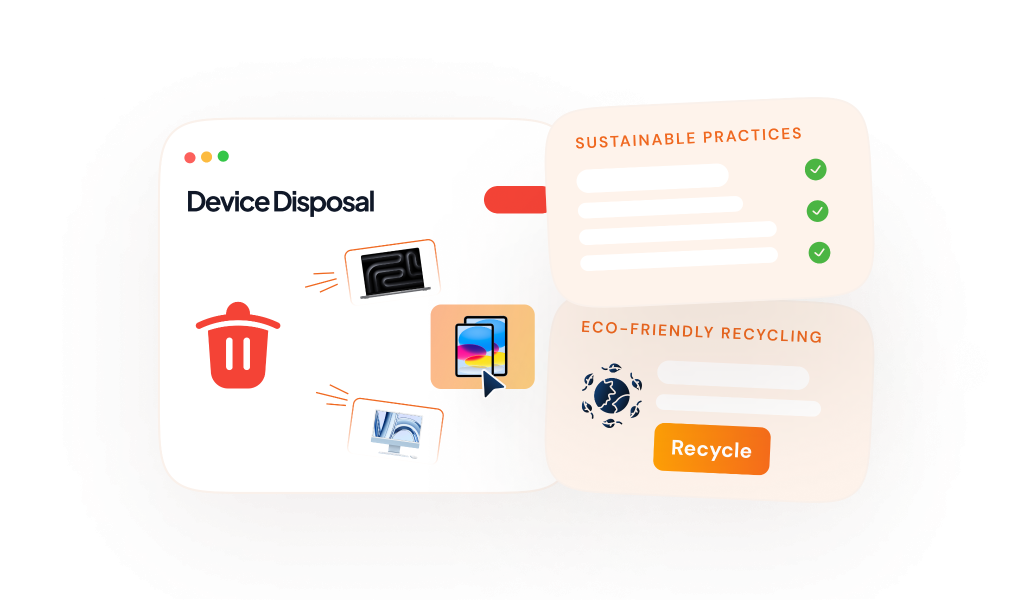
In this stage, we retire IT asset lifecycle with secure data wiping, compliant recycling, and detailed documentation to protect data, reduce e-waste, and ensure regulatory compliance.
5 Key Benefits of Integrating DLM and ITAM
1. Enhanced Asset Tracking
DLM provides a detailed record of each device’s lifecycle, including acquisition, deployment, maintenance, and retirement, which can be seamlessly integrated into ITAM’s centralized asset database.
2. Data Quality and Accuracy
DLM helps maintain data integrity and accuracy throughout its lifecycle by implementing standardized processes for data collection, storage, and processing. This leads to more informed decision-making, reduced errors, and improved customer satisfaction.
3. Cost Optimization
DLM helps maintain data integrity and accuracy throughout its lifecycle. By understanding the lifecycle of each device, organizations can make informed decisions about upgrades, replacements, and disposal, leading to cost savings.
4. Improved Security and Compliance
DLM helps ensure devices are properly configured and patched, reducing security risks. By tracking device usage, location, and permissions, organizations can ensure compliance with regulatory requirements.
5. Data-Driven Decision Making
With real-time visibility into asset status and lifecycle, IT teams can make better decisions about resource allocation and upgrades.
Ready to organize your IT device lifecycle?
Cut costs, secure assets, and boost efficiency with smarter DLM strategies. Get started today. Schedule Your Free Demo with Unduit.
See What’s PossibleHow to Integrate ITAM with DLM?
By integrating DLM and ITAM, organizations can gain a more holistic view of their IT infrastructure, optimize asset utilization, reduce costs, and improve overall IT efficiency. A well-organized IT Asset Lifecycle Management (ITALM) ensures:
- Resources are utilized efficiently
- The lifespan of the asset is elevated
- Workload is reduced through automation and the use of the right tools
- Costs are minimized through informed budgeting and forecasting
- Compliance with legal and regulatory requirements is maintained
- All the asset details are maintained centrally to minimize data loss
1. Select an ITAM solution with DLM capabilities
Choose a system that can track device lifecycle information, including asset details, configurations, and maintenance history.
2. Integrate DLM data into the ITAM system
Ensure that DLM data, such as device serial numbers, software versions, and maintenance schedules, is automatically synced with the ITAM database.
3. Establish a consistent asset numbering system
Use unique asset numbers to identify and track each device throughout its lifecycle.
4. Implement a DLM process
Develop a standardized DLM process that covers all phases of the device lifecycle, from acquisition to disposal.
5. Regularly review and update asset information
Ensure that asset data is accurate and up-to-date to maintain the integrity of the ITAM system.
Challenges of Device Lifecycle Management
Let’s be honest, managing devices across today’s hybrid, global, and fast-changing IT environments isn’t simple. What used to be a routine procurement and deployment process has turned into a complex ecosystem of vendors, compliance rules, and security risks. Here are some real challenges IT teams are dealing with in 2025:
1. Procurement isn’t as straightforward anymore
Coordinating device purchases across regions, vendors, and models is a constant juggling act. One delay in forecasting or vendor response can slow down onboarding and disrupt entire teams. The challenge isn’t just buying devices, it’s getting the right ones, at the right time, without overspending.
2. Visibility gaps in distributed environments
With hybrid and remote work, devices are everywhere: offices, homes, and warehouses. Manual spreadsheets and outdated inventory systems simply don’t cut it anymore. When you lose visibility, you lose control, leading to misplaced assets, inaccurate records, and unnecessary repurchases that quietly drain budgets.
3. Security risks never take a break
Every connected device is a potential entry point. From procurement to disposal, a single unpatched laptop or poorly wiped drive can expose your network. Without consistent security enforcement across all stages, small gaps can turn into major breaches.
4. Compliance keeps getting tougher
Managing privacy, data retention, and disposal regulations across multiple countries is exhausting. Compliance isn’t about checklists anymore; it’s about proof. IT needs verifiable data wipes, audit-ready documentation, and clear asset trails to stay compliant and confident.
5. Balancing cost and performance
Keeping devices too long saves short-term costs but adds maintenance risks. Replacing too soon wastes budget. Without a structured DLM strategy, it’s hard to find the balance or justify spending decisions, especially when every dollar is under scrutiny.
6. Sustainability is now part of the job
E-waste is rising fast, and IT can’t ignore it. Responsible recycling and certified disposal aren’t just good practice; they’re a requirement. Sustainable DLM means protecting both your data and the planet while maintaining accountability every step of the way.
Future of Device Lifecycle Management
The future of Device Lifecycle Management (DLM) is all about adaptability and intelligence. According to Gartner, the next wave of IT asset management will rely heavily on automation, analytics, and integrated lifecycle platforms that provide complete visibility from procurement to retirement.
As technologies like AI, IoT, and predictive analytics continue to reshape the IT landscape, businesses need DLM strategies that evolve with them. A future-ready approach means building flexible systems that can seamlessly integrate new device types, vendors, and security standards without disrupting operations.
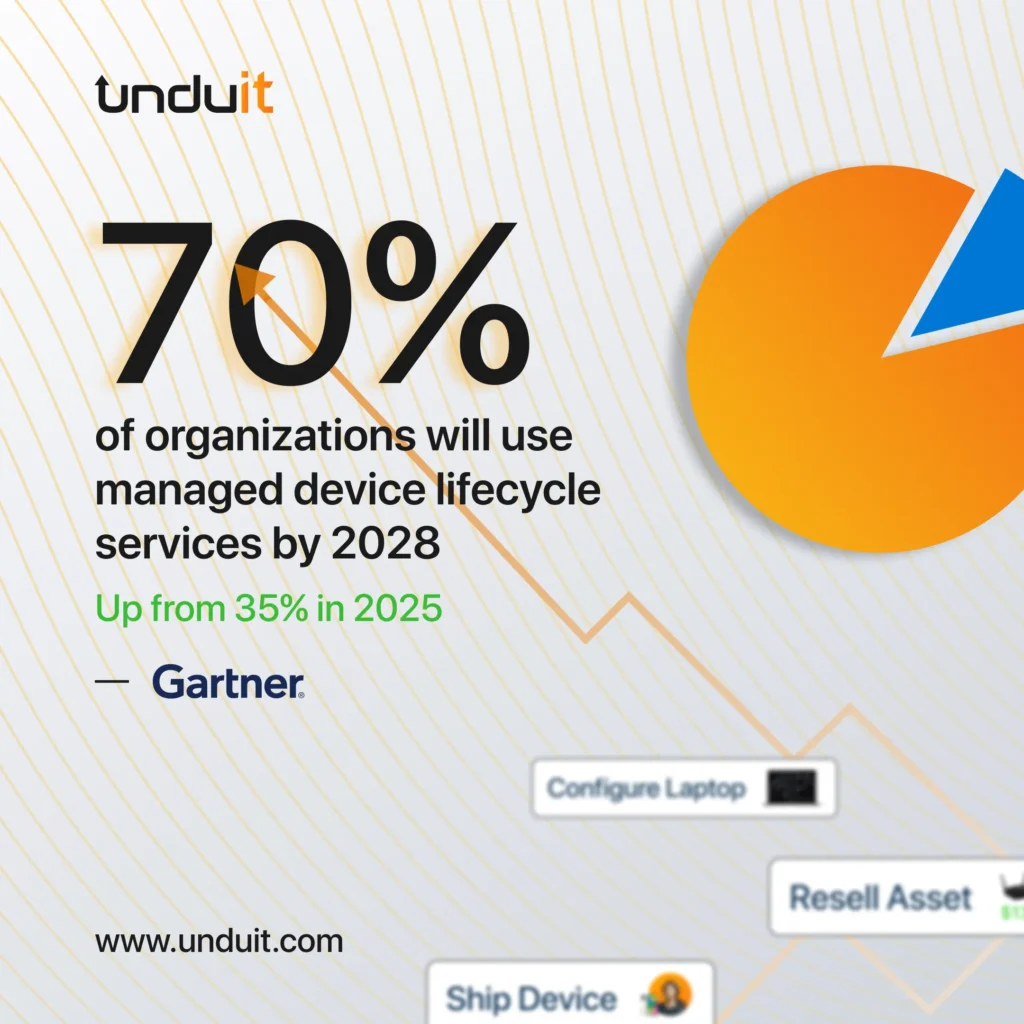
By 2028, 70% of organizations will adopt a managed device life cycle service offering, up from fewer than 35% in 2025.
Source: Gartner
Streamline a Complete Device Control with Unduit
When managing devices across distributed teams, Unduit provides complete control over your entire device lifecycle from purchase to secure disposal.
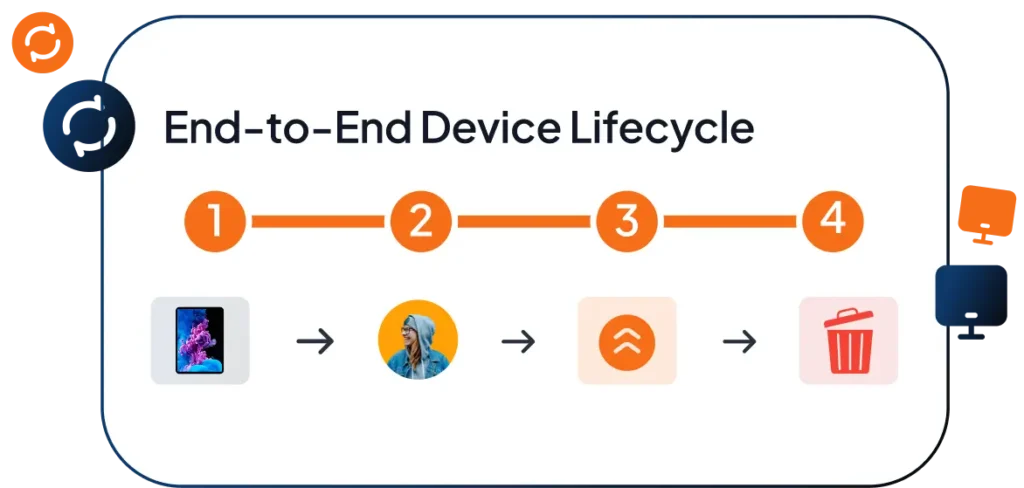
Complete Global Coverage
Manage procurement, deployment, tracking, maintenance, and disposal across 150+ countries through one platform. No juggling multiple vendors or dealing with logistics gaps.
Smart Automation
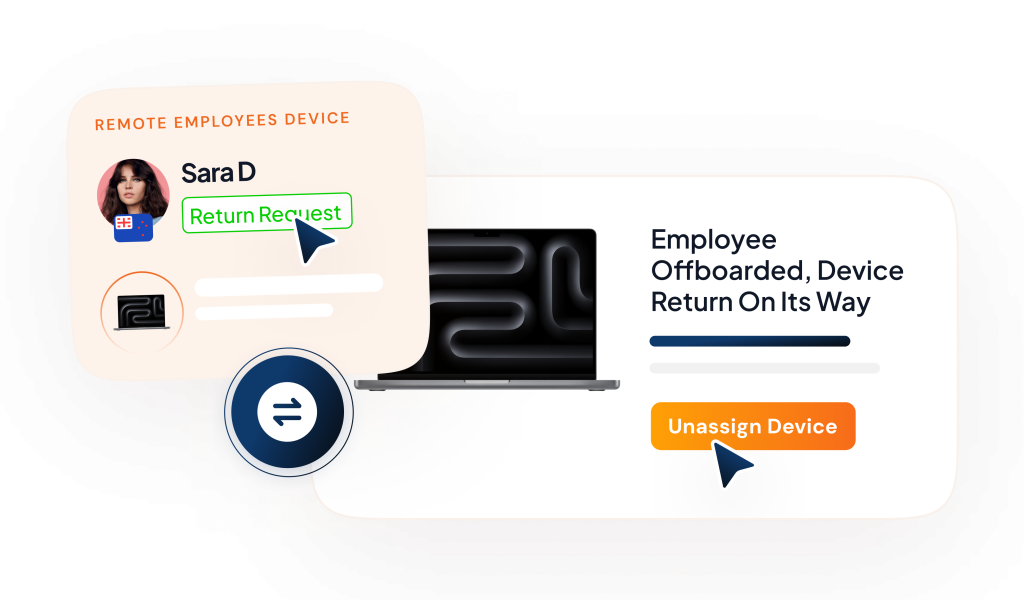
Set up automated workflows that match your company policies. Devices get configured automatically, departing employees trigger recovery processes, and maintenance schedules run themselves.
Real-Time Visibility
Get instant insights into device utilization, costs, and replacement timing. Make data-driven decisions about your entire device fleet instead of guessing when to refresh or retire equipment.
Built-In Compliance
Handle GDPR, R2 certification, and local regulations automatically throughout the complete device lifecycle. Environmental and security requirements are managed as part of the standard process.
Unduit streamlines your complete device lifecycle management by combining procurement, deployment, monitoring, maintenance, and secure disposal into one unified platform. This integrated approach protects sensitive data while reducing environmental impact and maximizing your technology investment returns.
FAQ’s
How does Device Lifecycle Management (DLM) differ from IT Asset Management (ITAM)?
Device Lifecycle Management (DLM) focuses on managing the entire lifespan of physical devices from procurement to disposal, while IT Asset Management (ITAM) provides a broader framework that tracks and governs all IT assets, including hardware, software, and licenses, for cost, compliance, and optimization.
What is mobile device lifecycle management (MDLM)?
MDLM manages smartphones, tablets, and mobile devices from procurement through secure disposal. It includes device provisioning, mobile app management, security policies, and data protection for remote workers.
What is IoT Device Lifecycle Management?
IoT Device Lifecycle Management tracks connected devices from deployment to retirement. It monitors device health, manages firmware updates, ensures security patches, and handles secure decommissioning of sensors, smart devices, and connected equipment.
How does DLM help with IT security and compliance?
DLM tracks every device from deployment to disposal, ensuring proper data wiping, security updates, and regulatory compliance. It prevents data breaches by controlling device access and maintaining audit trails.
How can an organization measure the ROI of Device Lifecycle Management?
An organization can measure the ROI of Device Lifecycle Management by evaluating cost savings from optimized device recovery, reuse, and reduced losses across the lifecycle. You can also use the Unduit ROI Calculator to identify savings and gain real-time financial insights.
What things to consider when choosing an MDM or DLM Solution?
When selecting a device management solution, consider these key factors:
- Compatibility: Ensure it supports all device types you manage.
- Features: Look for essentials like enrollment, inventory, security, and DLM/MDM software.
- Integration: Choose one that easily integrates with your existing systems and workflows.