As distributed teams scale across borders, Device Lifecycle Management platforms have become essential for managing procurement, deployment, tracking, maintenance, recovery, and secure disposal of IT assets.
GroWrk is one provider in this category. However, organizations evaluating IT asset lifecycle software often compare multiple vendors based on global coverage, automation depth, compliance posture, integration ecosystem, and pricing structure.
This guide presents a neutral, structured comparison of 20 GrowWrk alternatives to help IT leaders, operations teams, and HR departments make informed decisions.
How These Platforms Were Evaluated
Each vendor in this guide is assessed based on:
- Geographic coverage
- Hardware lifecycle depth
- Automation and integration ecosystem
- Security and compliance capabilities
- Pricing transparency
- Suitability by company size and complexity
| Vendor | Coverage | Core Strength | Pricing Model | Best For | Primary Limitation |
|---|---|---|---|---|---|
| Unduit | 100+ countries | Modular lifecycle automation | Freemium + custom | Mid to enterprise | Brand maturity |
| Workwize | 100+ countries | Zero-touch automation | Per seat + platform fee | Enterprise teams | Regional logistics variability |
| Deel IT | 130+ countries | HR + IT integration | Custom | Remote first organizations | Higher pricing tier |
| Dots | Global | Automated procurement | Free + paid tiers | Scaling startups | Limited advanced controls |
| Firstbase | 150+ countries | Provisioning & recovery | Per user | Distributed teams | Layered pricing complexity |
| Allwhere | Major regions | Simple hardware management | Pay as you go | Small to mid teams | Lighter feature depth |
| Esevel | 8 APAC countries | SMB IT support | Custom | APAC startups | Regional limitation |
| ZenAdmin | 150+ countries | IT automation & access control | Free + paid | Security focused teams | Limited hardware lifecycle |
| Retriever | US, Canada, UK | Laptop returns | Per return | Offboarding heavy teams | Return only focus |
| Deeploi | Europe | SME IT automation | Per user | European SMBs | No global coverage |
| Rayda | Emerging markets | Regional delivery strength | Subscription tiers | Complex geographies | Integration setup |
| Setyl | 24+ countries | Asset & license tracking | From 300 per month | Compliance teams | Basic analytics |
| Fleet | 120+ countries | Rental lifecycle model | Subscription | OPEX focused orgs | Hardware dependency |
| Rippling | 185+ countries | Unified HR & IT | Modular pricing | HR led orgs | Add on costs |
| Device Rescue | US & Canada | Device retrieval | Free + paid | Recovery workflows | Retrieval focused |
| Swif | Multi region | AI compliance automation | Per employee | Security intensive orgs | Complexity for SMB |
| Everping | Europe | Managed IT support | Per user | European SMBs | Limited geography |
| ReReady | 6 countries | Jamf integrated returns | Per return | Apple environments | Laptop only |
| Electric AI | Primarily US | SMB automation + support | Per user | Small mid businesses | Scalability ceiling |
| Return Centre | USA | Reverse logistics automation | Custom | ServiceNow users | Return focused |
GroWrk
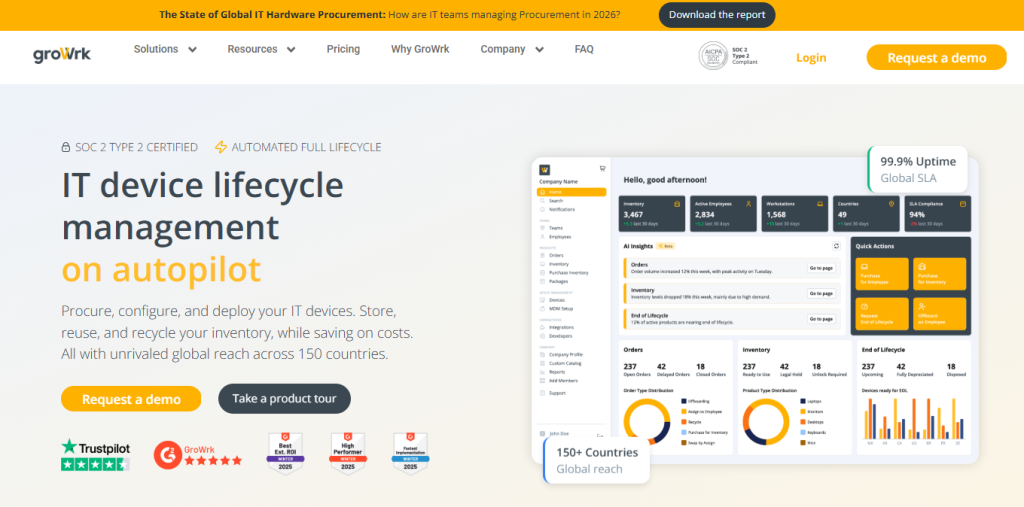
GroWrk provides global device procurement, deployment, lifecycle tracking, and offboarding coordination. It is positioned as an end to end device lifecycle platform for remote and hybrid teams seeking centralized visibility and logistics management.
Pros
- End to end lifecycle coverage
- Strong global procurement network
- Centralized tracking dashboard
Cons
- Higher cost for smaller teams
- Subscription flexibility concerns
- Mixed feedback on support responsiveness
A Few Growrk Reviews from the web
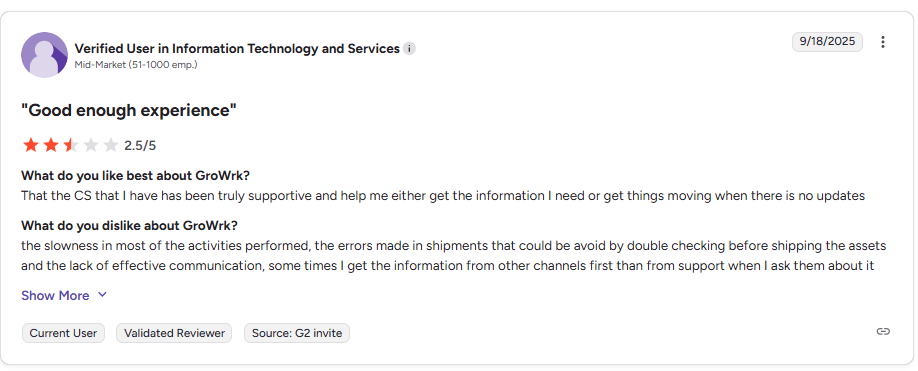
Slow Processes and Errors
Source: Verified G2 Review
Many users praise GroWrk’s supportive customer service, but some point out inefficiencies such as slow processes, shipment errors, and communication gap.
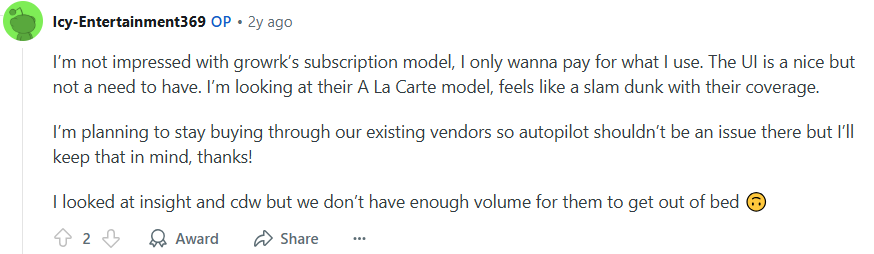
Subscription model inflexibility
Source: Reddit User Review
Some users feel GroWrk’s subscription model isn’t flexible enough and prefer the à la Carte option, which allows them to pay only for what they use. They see this as a better fit given GroWrk’s coverage.
Falling Short on Transparency and Accuracy

Source: Reddit User Review
Some users report that GroWrk fell short of expectations, citing issues with transparency, responsiveness, and portal accuracy.
Overall, GroWrk receives mixed but constructive feedback from users. While many appreciate its global reach, reliable customer support, and convenient device management tools, others feel there’s still room for improvement in speed, transparency, and flexibility.
The Top 20 Alternatives for Growrk
1. Unduit
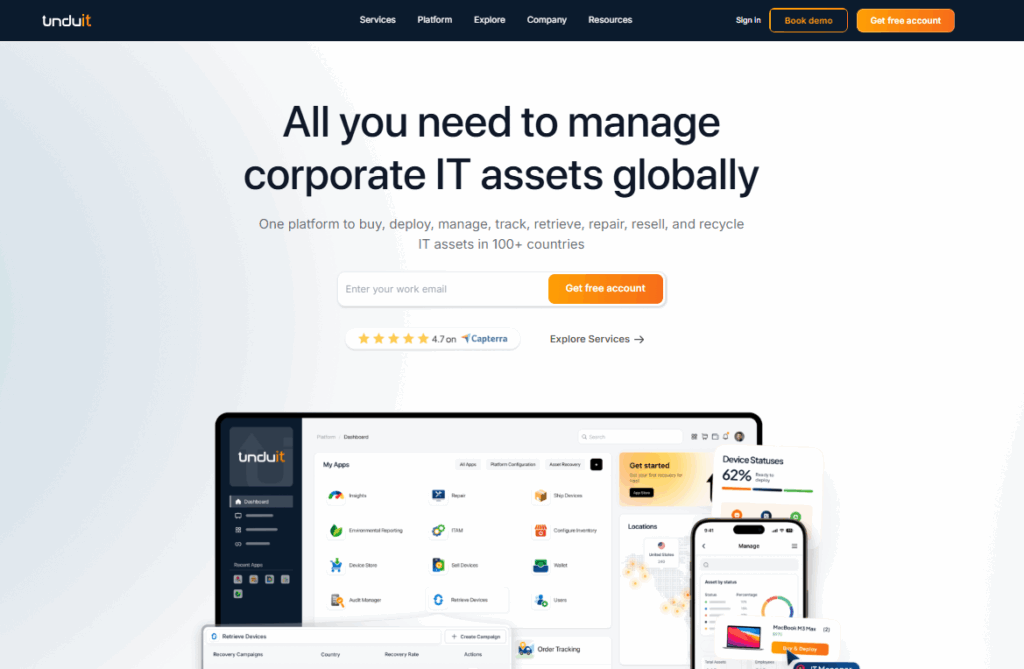
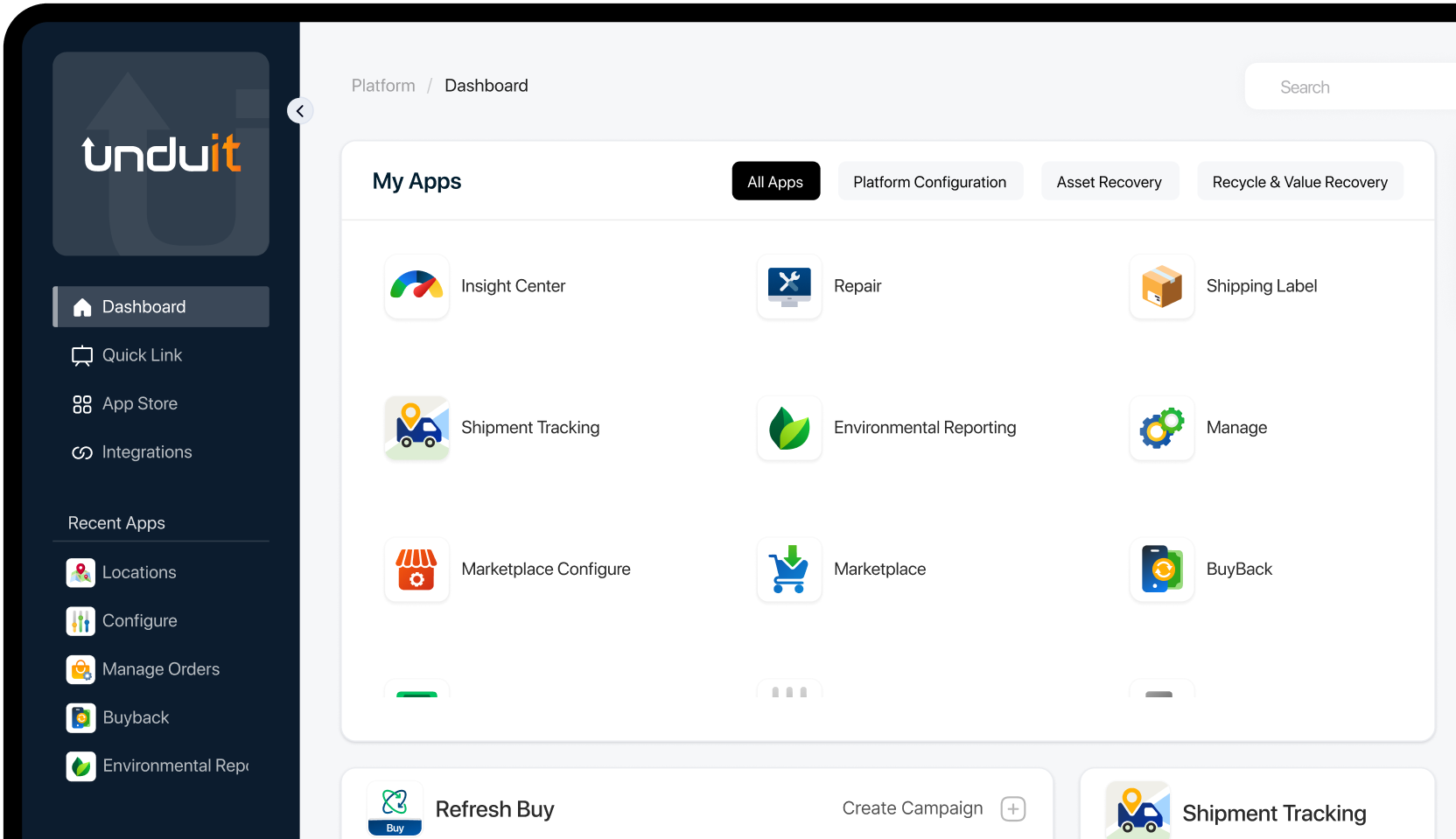
Unduit is a U.S.-based IT asset lifecycle management platform designed for global enterprises. It enables organizations to manage device procurement, deployment, Unduit operates in over 100 countries and offers modular lifecycle management through a configurable system of mini applications. It supports procurement, provisioning, recovery, resale, and secure disposal workflows.
Pros
- Modular lifecycle structure
- Wide global coverage
- Freemium entry tier
Cons
- Less established brand recognition
- Feature depth may exceed SMB needs
2. Workwize
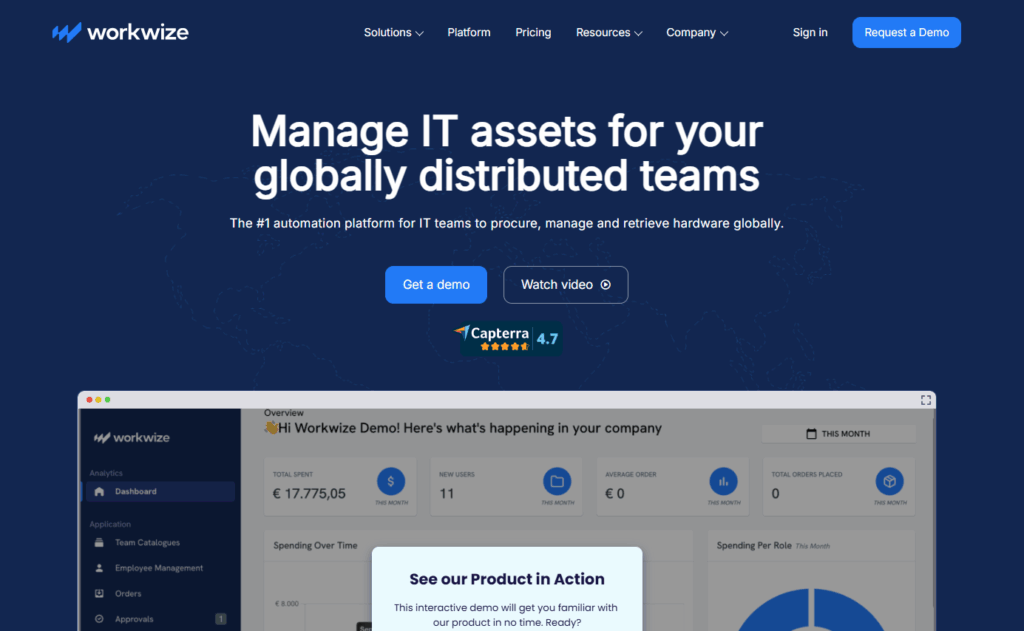
Workwize delivers automated IT hardware lifecycle management with strong onboarding and offboarding automation. It integrates with HRIS and MDM systems to streamline distributed workforce management.
Pros
- Strong automation workflows
- Broad integrations
- Transparent per seat pricing
Cons
- Logistics delays in some regions
- Platform fee adds upfront cost
- Limited storefront customization
3. Hofy
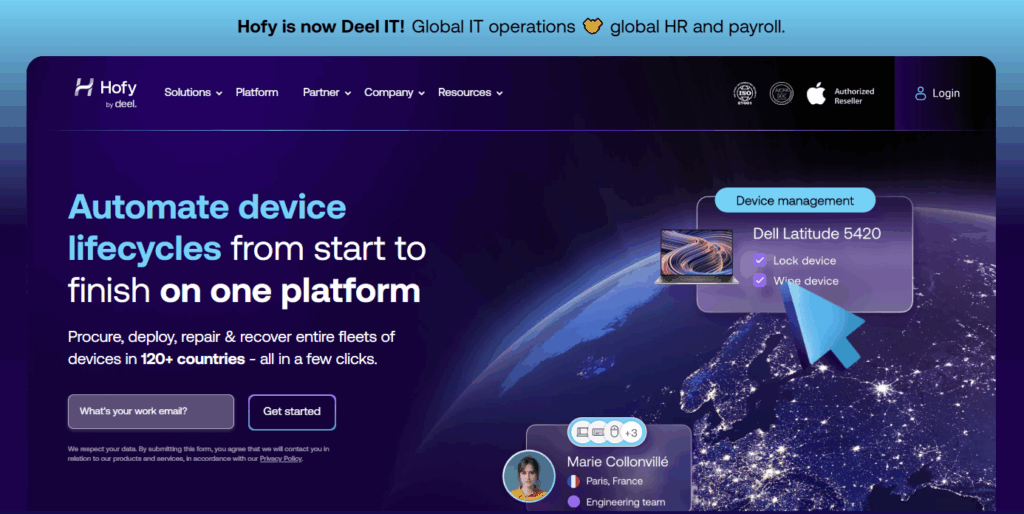
Deel IT integrates device lifecycle management with Deel’s HR and payroll infrastructure. It focuses on compliance, onboarding, and asset coordination across international teams.
Pros
- HR and IT integration
- Strong remote onboarding tools
- Broad international coverage
Cons
- Custom pricing reduces transparency
- Higher cost positioning
- Less modular lifecycle depth
4. Dots
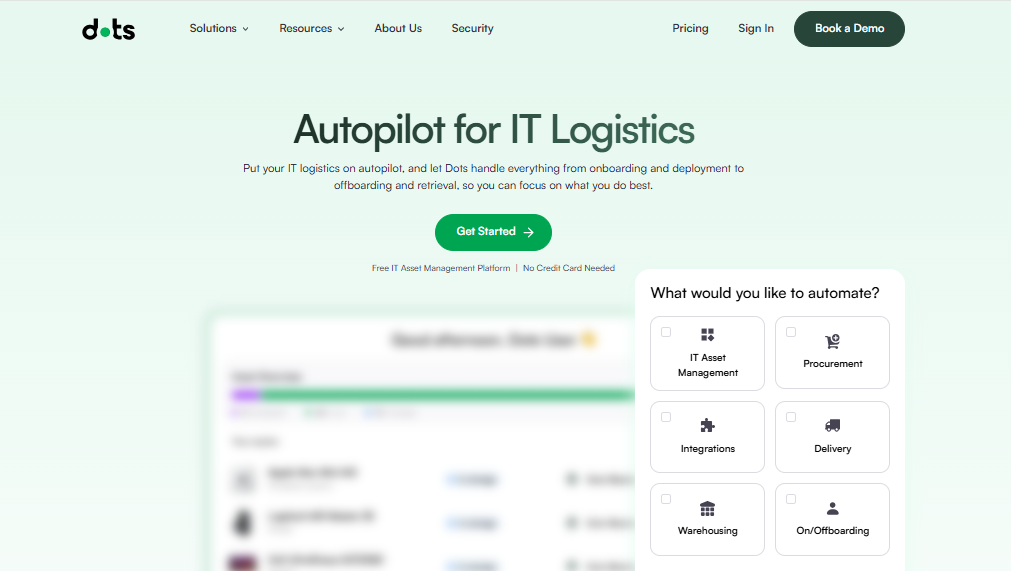
Dots is a cloud based IT lifecycle platform that automates procurement, warehousing, onboarding, and secure asset disposition. It integrates with common HR and device management systems.
Pros
- Free entry tier
- Strong HR integrations
- Automated onboarding
Cons
- Limited enterprise controls
- Basic reporting depth
- Occasional system bugs
5. Firstbase
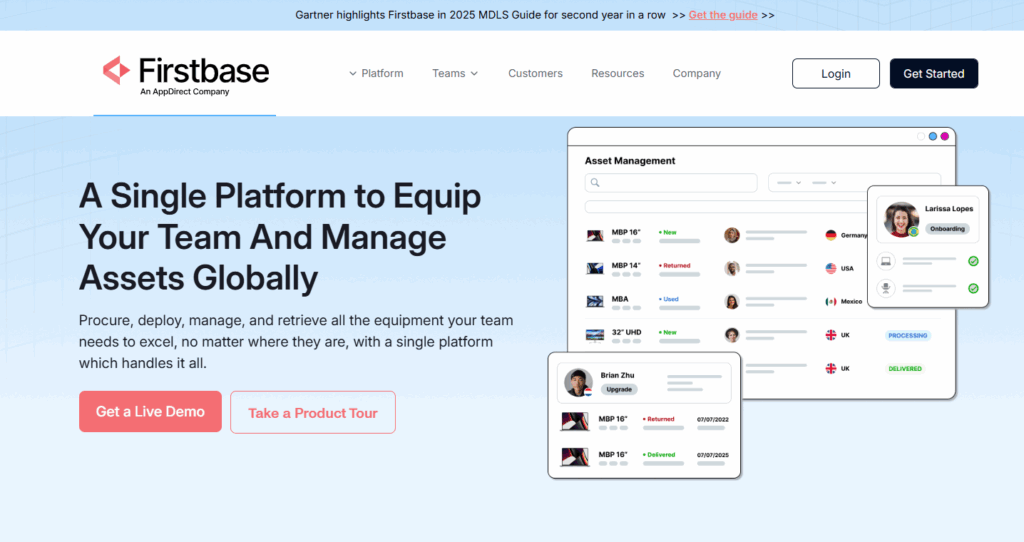
Firstbase provides global device provisioning, recovery, and tracking across distributed teams. It integrates with HRIS and IT systems to automate employee lifecycle hardware management.
Pros
- Global provisioning reach
- HRIS integrations
- Structured recovery workflows
Cons
- Complex layered pricing
- UI complexity at scale
- Reporting limitations
6. Allwhere
Allwhere offers simplified lifecycle management across major global regions. It focuses on usability and flexible procurement for small to mid sized distributed teams.
Pros
- Pay as you go model
- Intuitive interface
- Suitable for smaller teams
Cons
- Lighter feature set
- Limited advanced automation
- Logistics inconsistency
7. Esevel
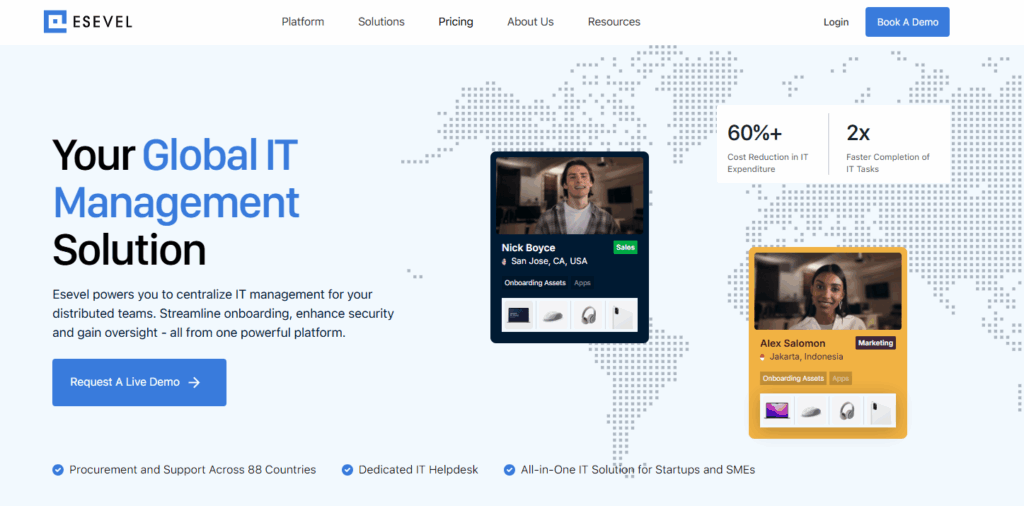
Esevel is a Singapore based IT management provider serving SMBs across APAC. It combines procurement, IT support, and inventory management tailored to startups.
Pros
- Cost effective for startups
- Regional logistics strength
- Integrated IT support
Cons
- APAC only coverage
- Not enterprise focused
- Limited integration ecosystem
8. ZenAdmin
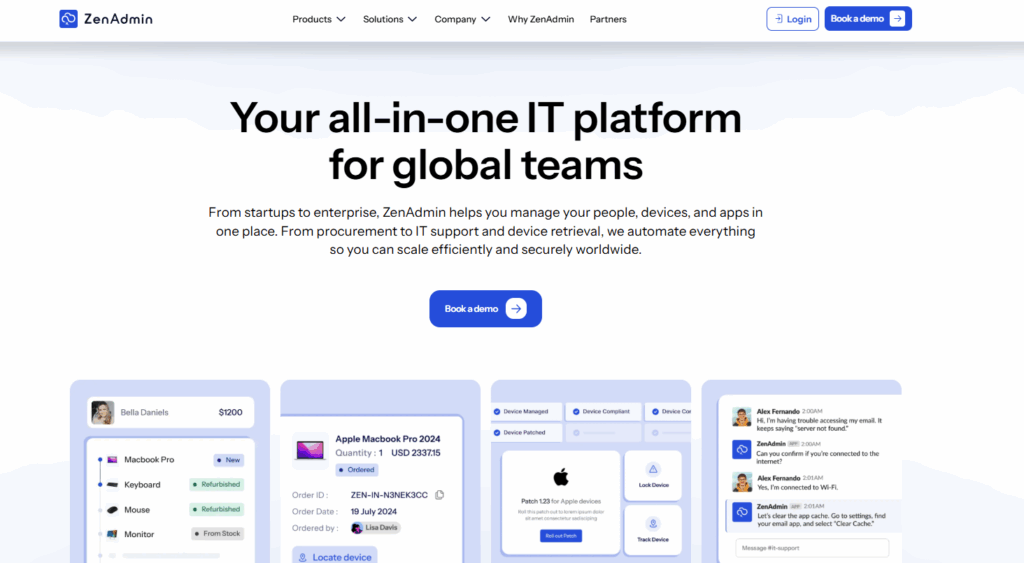
ZenAdmin centralizes IT, device, and identity management. It emphasizes compliance, MDM integration, and automation of user access workflows.
Pros
- Strong identity management
- Integrated MDM tools
- Broad integration ecosystem
Cons
- Limited hardware lifecycle depth
- Reported platform bugs
- Device removal workflow issues
9. Retriever
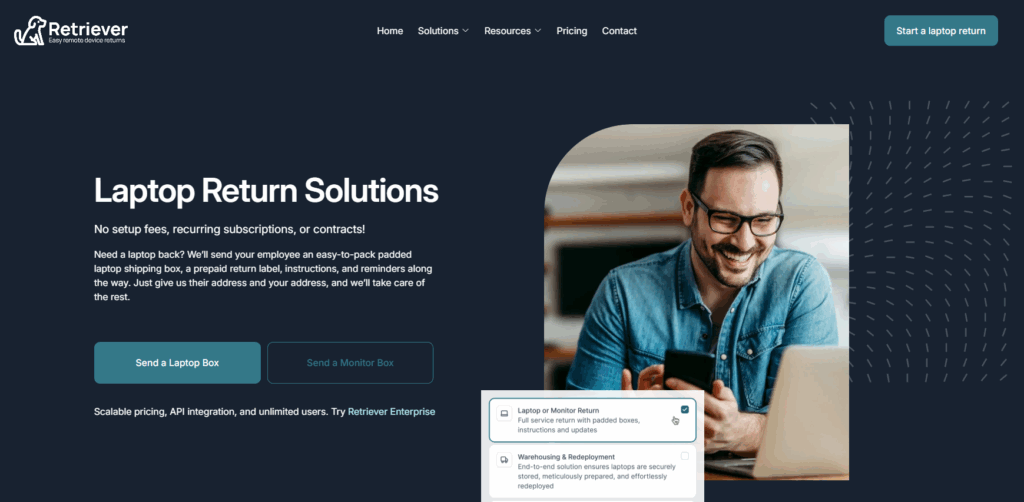
Retriever specializes in laptop and monitor retrieval logistics. It provides prepaid shipping kits and tracking to simplify offboarding processes.
Pros
- Fast return logistics
- Prepaid shipping model
- Clear tracking visibility
Cons
- Limited geography
- Laptop focused
- No procurement support
10. Deeploi
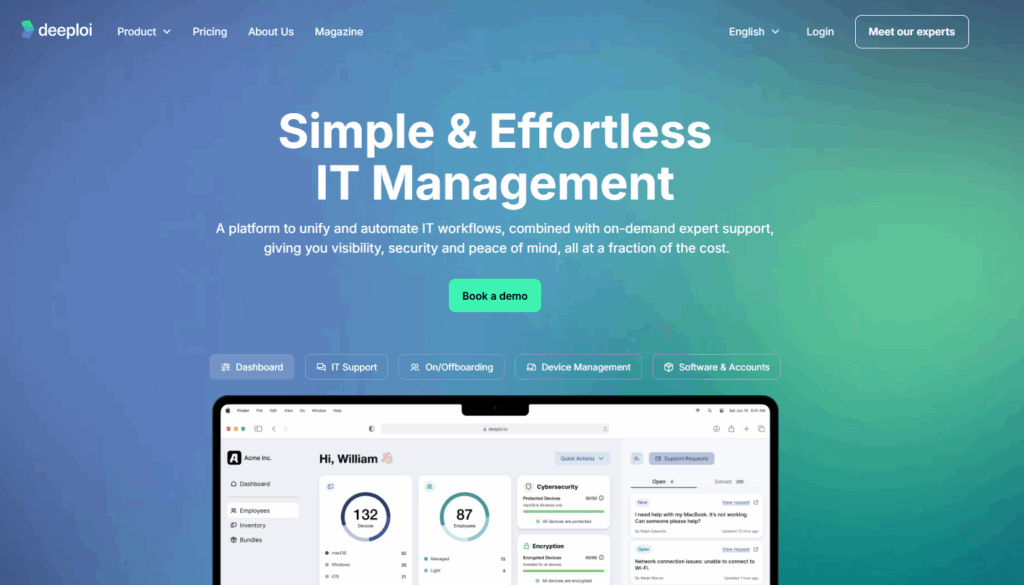
Deeploi automates IT lifecycle workflows for European SMEs. It integrates HR systems and security controls for device and user management.
Pros
- Simple automation model
- Strong support reputation
- HR integrations
Cons
- Europe only coverage
- Hardware sourced via partners
- Not enterprise scale
11. Rayda
Rayda delivers hardware and recovery services across emerging markets. It is positioned for organizations operating in regions where logistics can be complex.
Pros
- Regional delivery speed
- Dedicated support
- Emerging market strength
Cons
- Integration setup required
- Limited North America focus
- Tiered subscription rigidity
12. Setyl
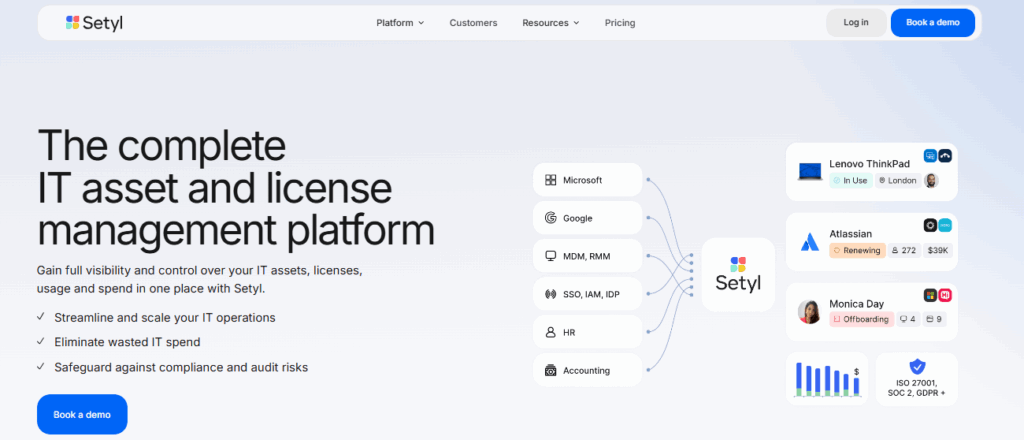
Setyl provides centralized asset and license tracking with compliance monitoring tools. It supports hardware and software visibility within one dashboard.
Pros
- Centralized asset tracking
- Compliance reporting support
- Scalable fleet management
Cons
- Basic analytics
- Limited dashboard customisation
- Minimal procurement depth
13. Fleet
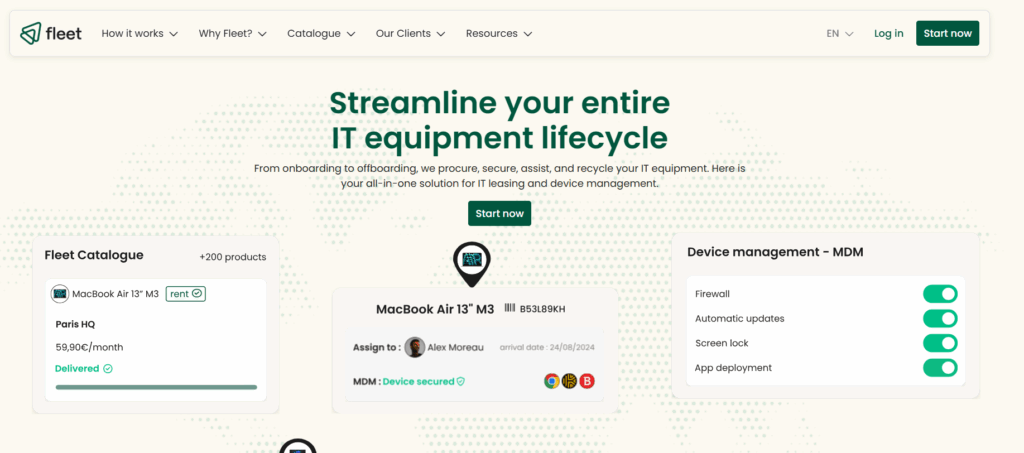
Fleet operates a global rental based lifecycle model, enabling companies to lease and manage devices under subscription agreements.
Pros
- Subscription device access
- Global coverage
- Integrated security enforcement
Cons
- Hardware rental dependency
- Occasional replacement delays
- Custom pricing opacity
14. Rippling
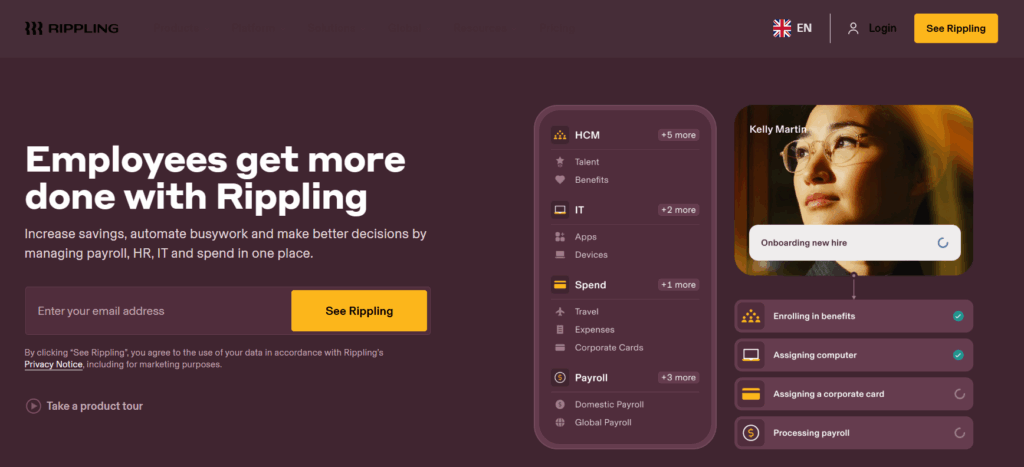
Rippling unifies HR, payroll, identity management, and IT asset control. It automates employee lifecycle workflows within one platform.
Pros
- Comprehensive HR integration
- Strong global workforce tools
- Customizable workflows
Cons
- Add on pricing increases cost
- Payroll expenses can be high
- Implementation complexity
15. Device Rescue
Device Rescue focuses on structured device retrieval and return assurance workflows for distributed teams.
Pros
- Streamlined return workflows
- Prepaid shipping model
- Clear employee communication
Cons
- Retrieval focused
- North America only
- No procurement coverage
16. Swif
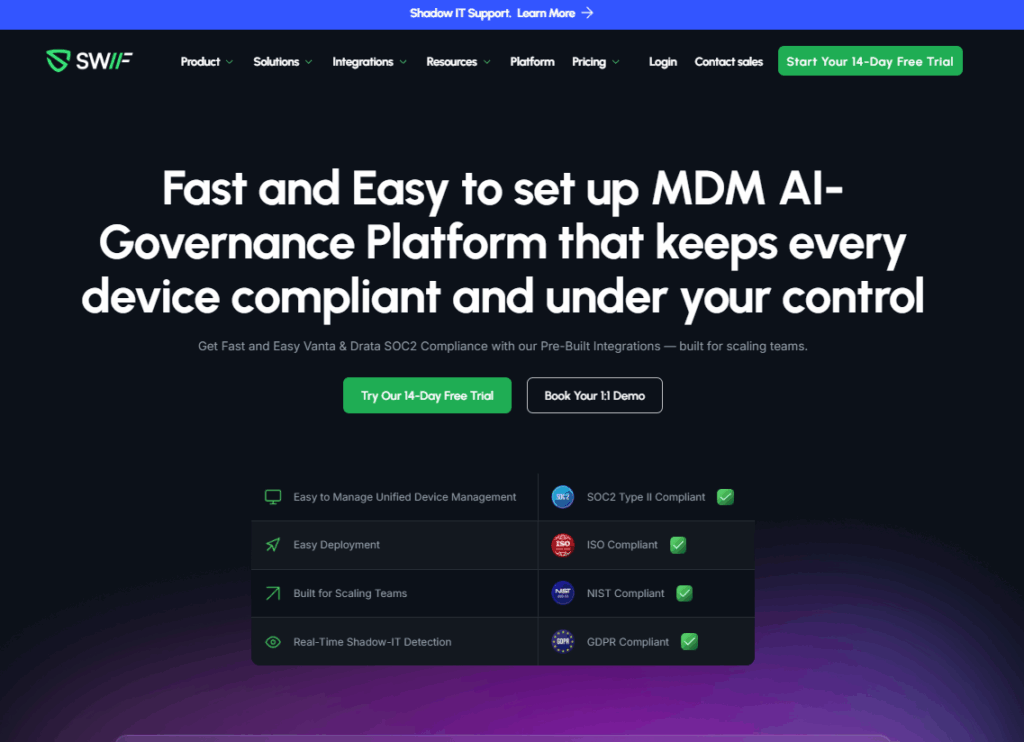
Swif empowers businesses to secure their devices and data through AI-powered automation and centralized compliance management across multiple operating systems, streamlining complex IT security and device lifecycle workflows
Pros
- Multi-OS unified management
- Automated compliance and audits
- Real-time Shadow IT detection
Cons
- Higher pricing for features
- Complex for small teams
- Limited legacy integration
17. Everping
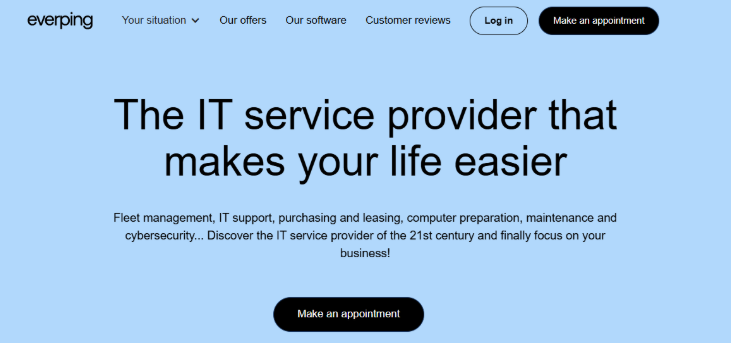
Everping combines managed IT services with lifecycle tracking, serving European SMBs seeking automation and hands on support.
Pros
- Managed IT support
- SMB focus
- Strong responsiveness
Cons
- Europe limited coverage
- Partner hardware sourcing
- Limited API availability
18. ReReady
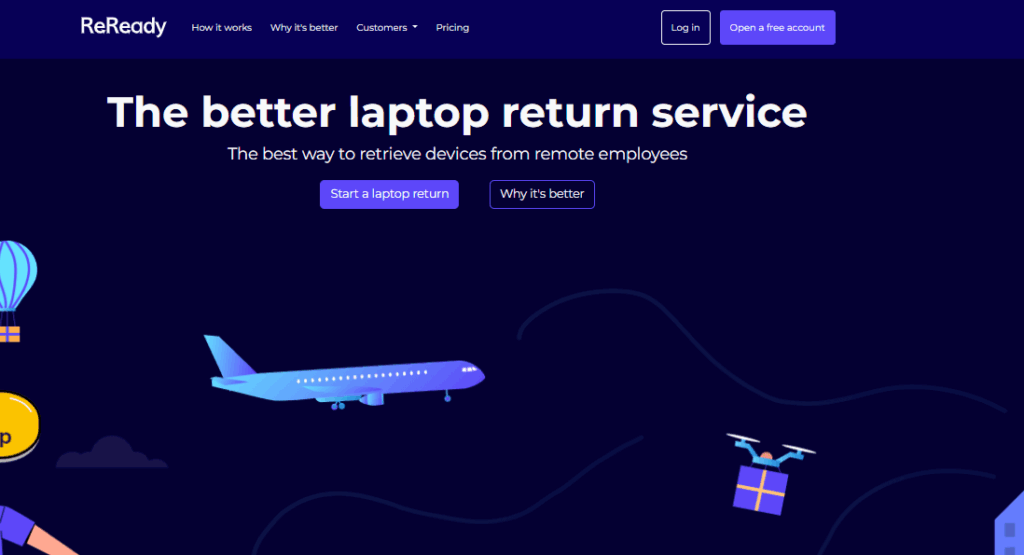
ReReady specializes in laptop return workflows integrated with Jamf, particularly for Apple device environments.
Pros
- Fast return initiation
- Jamf integration
- Transparent per return pricing
Cons
- Laptop only
- Limited countries
- No procurement lifecycle
19. Electric
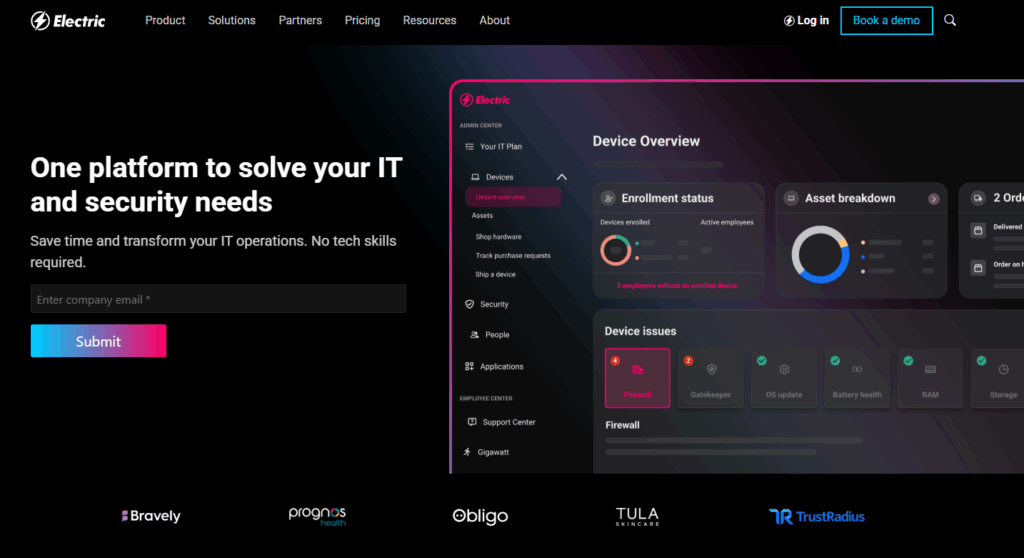
Electric AI blends automation software with human IT support services. It primarily serves small and mid sized businesses in the United States.
Pros
- Blended automation and support
- Strong SMB positioning
- Cybersecurity controls
Cons
- US focused
- Higher long term cost
- Limited enterprise scalability
20. Return Centre
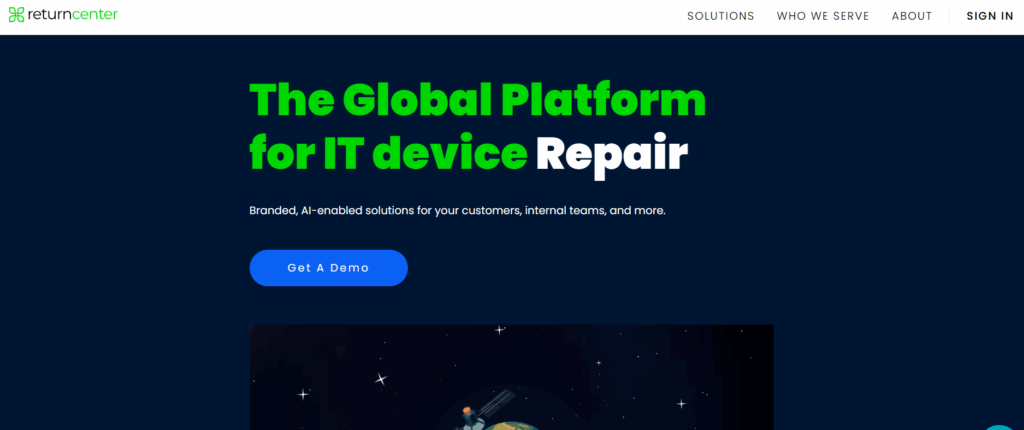
Return Centre automates reverse logistics for IT hardware and integrates with ServiceNow to update asset records and track return workflows.
Pros
- Reverse logistics automation
- ServiceNow integration
- Carbon neutral shipping
Cons
- Return focused solution
- ServiceNow dependency
- Limited geographic coverage
Skip the Risk. Choose Unduit!
While each platform brings unique strengths, Unduit’s combination of modularity, scalability, and transparent pricing positions it as the most balanced alternative for modern IT asset management. When selecting the right IT asset management partner, compromise is not an option. Unduit stands out as a comprehensive solution.
- Global Coverage: Operates in 100+ countries to support distributed teams.
- Enterprise Security: ISO 27001 compliance ensures data protection and trust.
- All-in-One Platform: 60+ mini-apps deliver full IT asset lifecycle management.
- Reliable & Transparent: Timely delivery with complete process visibility.
- Extensive Resources: Vast inventory for seamless provisioning and recovery.
Unlock Seamless IT Asset Management with Unduit.
Discover how our platform automates the entire IT asset lifecycle, from procurement to disposal.
Book a Demo!FAQs
What is Device Lifecycle Management?
Device Lifecycle Management (DLM) refers to the processes and technologies involved in managing the lifecycle of IT assets, including procurement, tracking, maintenance, and secure disposal.
How much does IT asset management software cost?
Pricing varies widely based on features, scale, and geographic coverage. Small teams can find solutions starting at a few dollars per user per month, while large enterprises may need custom pricing.
What should enterprises look for in DLM vendors?
Enterprises should focus on global coverage, integration capabilities, robust security compliance, transparent pricing, and reliable customer support.
What are the benefits of automating IT asset management?
Automation streamlines the IT lifecycle, reduces manual errors, ensures compliance, and enhances operational efficiency.
How do I choose the right DLM platform for my business?
Consider factors like business size, budget, global distribution, and integration needs to select the best platform for your team.