Organizations of all sizes have a real opportunity to improve their IT asset recovery results when they have the right strategy in place. Many enterprises have increased their recovery rates from nearly zero to as high as 80% to 90%. This shift has unlocked hundreds of thousands of dollars in recovered IT value.
Key Takeaways
- Maximize IT Asset Value: A well-planned IT asset recovery strategy can boost recovery rates up to 90%, unlocking significant financial returns.
- Prioritize Data Security and Compliance: Professional IT asset recovery services ensure secure data wiping, certified destruction, and adherence to regulatory standards.
- Leverage Automation for Efficiency: Automated workflows and asset tracking reduce errors and provide full visibility, streamlining the entire recovery process.
- Choose the Right Vendor Wisely: Look for vendors offering secure logistics, global support, flexible services, environmental reporting, and system integration.
- Simplify Recovery with Unduit: Unduit delivers end-to-end asset visibility, automated processes, secure handling, and customizable recovery options for hassle-free IT asset retrieval.
What drives this kind of success? It comes down to years of focused analysis, clear processes, and a deep understanding of how to optimise IT asset retrieval across complex, global organisations with thousands of employees and widely distributed devices.
What is IT Asset Recovery?
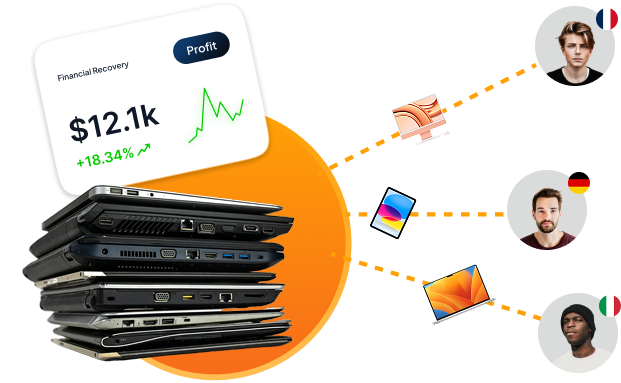
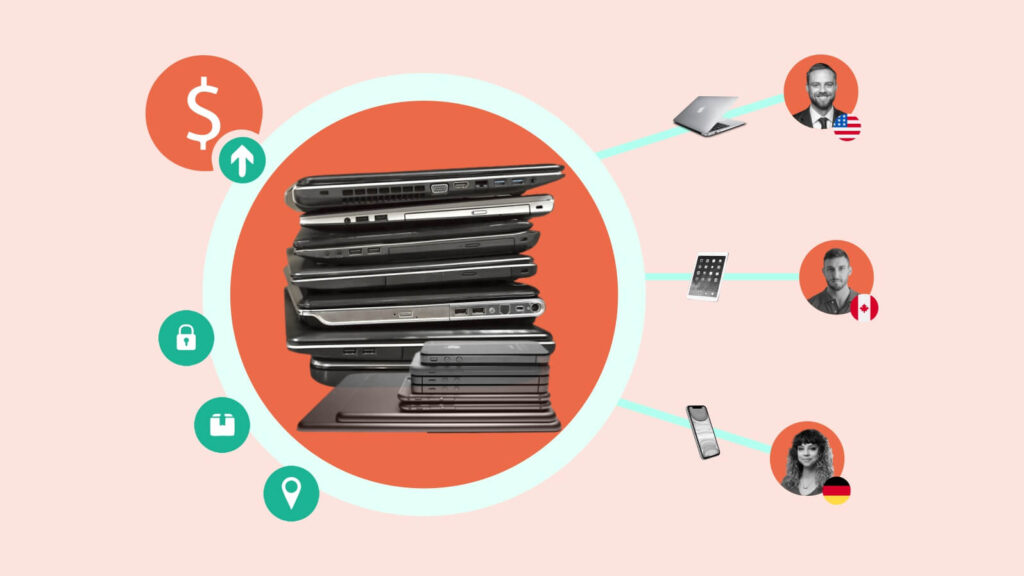
IT asset recovery is the process of retrieving and managing company-owned technology devices from employees or other sources. It helps ensure efficient resource utilization, cost savings, and data security. Sometimes this term is also used to refer to the entire process of retrieving, managing, and potentially extracting value from IT assets that are no longer in use or needed by a company.
Importance of Asset Recovery Service
Even though companies have the option to handle asset retrieval in-house, leveraging professional asset recovery services offers several advantages. By partnering with a reputable service provider, organizations can always ensure the following benefits:
- Cost Savings: Professional services help maximize cost savings by recovering those IT assets back and repurposing them instead of purchasing new devices.
- Resource Optimization: Partnering with a service provider frees up company resources that would otherwise be dedicated to asset recovery, allowing them to focus on more critical tasks.
- Data Security: IT Asset recovery company ensures that sensitive company information is securely handled during the whole process, and they can be held accountable if there’s any data breach.
- Environmental Responsibility: Service providers promote sustainability by facilitating proper recycling or refurbishment of recovered assets, reducing electronic waste.
- Compliance and Risk Mitigation: Specialised organisations specialise in helping companies comply with regulatory requirements and mitigate the risk of data breaches.
- Automated Workflow: Utilizing an automated workflow system, service providers streamline and ensure efficiency and accuracy at every step.
The Process of IT Asset Recovery
Assessment and Deployment
Recovering company assets starts with a careful assessment and a clear asset recycling and recovery plan. This means identifying which devices need to be recovered, checking their condition, and deciding the best way to handle each one.
Asset Assignment and Tracking
To keep the process organized and accountable, recovered assets are assigned to specific employees or departments. This makes it easier to track where each device is and who is responsible for it throughout the recovery journey.
Reporting and Data Security
Protecting sensitive data is a top priority during IT asset recovery. Detailed reports track the status of every asset. Secure erasure or destruction methods are used to ensure that data is fully erased and safe from unauthorized access.
Asset Removal and Repurposing
After securing the data, devices are collected from employees. Depending on their condition and company needs, these assets can be repurposed for internal use or refurbished and resold. Another option is donating devices to charities, giving them a new life and helping the community.
Choosing to Warehouse and Redeploy, Recycle, or Resell
Professional IT asset recovery services offer three main paths for managing recovered devices:
- Warehousing and Redeployment
Devices in good condition can be stored securely for future use. After refurbishment, they can be redeployed within the organization to other employees or teams. This approach maximizes resources and reduces unnecessary spending.
- Recycling
Devices that are no longer functional or needed can be responsibly recycled. This not only keeps company data safe but also reduces environmental impact by properly disposing of electronic waste.
- Reselling
If your organization prefers not to recycle, reselling recovered assets is a good option. Proper liquidation helps you recover some of your initial investment while ensuring complete data destruction and compliance with regulations.
Choosing the Right Asset Recovery Company
Selecting the right vendor for IT asset recovery is a key decision. You want a partner with deep experience handling retired IT equipment. A skilled team can help you with enterprise equipment returns and recover the maximum value from every device you retire.
When evaluating potential vendors, keep these factors in mind:
Secure Chain of Logistics
Choose a vendor that puts secure handling and transportation first. This includes secure packing, using asset tags for better tracking, maintaining chain of custody records, and providing transportation insurance to protect against loss or damage.
Global Support
If your organization operates in multiple countries or has a distributed workforce, pick a vendor with global reach. They should be familiar with local regulations and logistics to ensure smooth asset recovery anywhere you operate.
Flexibility in Service Options
Look for a vendor who can tailor their services to your needs. Whether you require on-site asset removal, hard drive destruction, or help with remarketing, flexibility is crucial.
Certificates of Data Destruction
Data security cannot be an afterthought. Ensure the vendor offers certified data destruction. This gives you peace of mind that all sensitive data is properly erased or destroyed.
Reselling or Remarketing
A good vendor understands how to recover value from used assets. Look for one with a broad buyer network and the ability to maximize returns on your retired equipment.
Environmental Reporting
Transparency matters. Choose a vendor that shares clear environmental reports and demonstrates commitment to sustainable practices.
Certifications and Compliance
Prioritize vendors holding certifications such as R2 or e-Stewards. These show they follow strict standards for compliant and responsible electronic waste management.
Integration with Systems and Inventory
Seek a partner that can integrate smoothly with your current IT systems. This helps keep data aligned and simplifies the entire recovery process.
Automation and Software Capabilities
Vendors who use automation and modern software platforms provide better efficiency and more visibility. Most traditional asset recovery providers do not offer this level of technology.
Beyond these points, ask for references and review past projects. This will help confirm the vendor’s reliability and expertise match your needs.
Tips to Maximize Recovery Rates
Before we dive into best practices, it helps to understand how recovery rates are calculated. Recovery rate is simply the number of recovered IT assets divided by the total number of eligible assets.
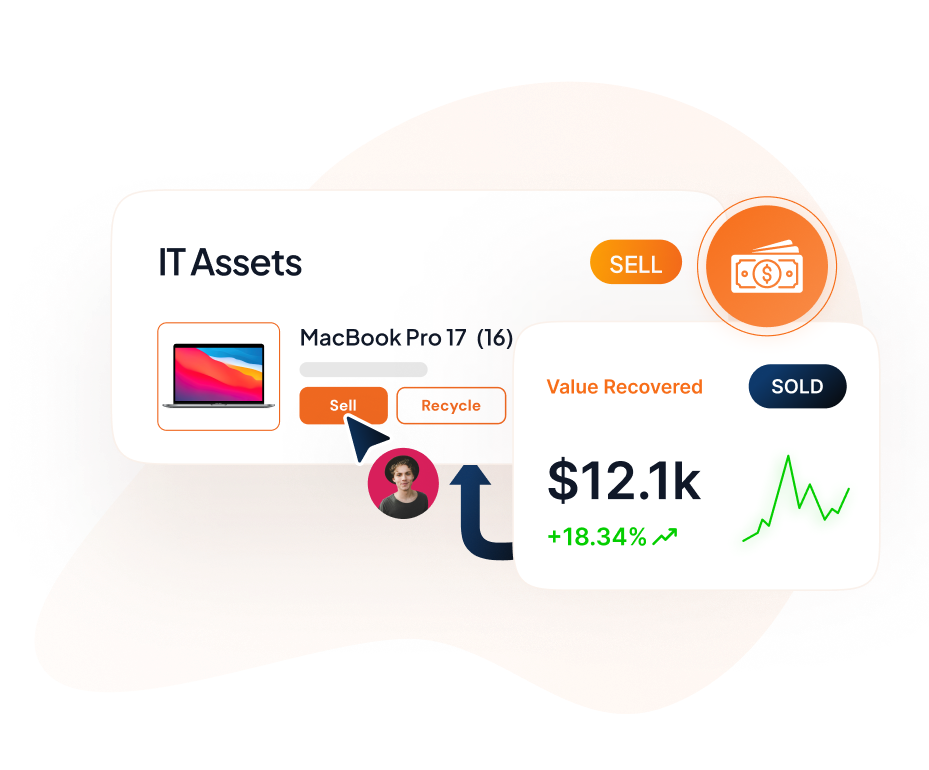
Here’s how you can improve your recovery rates effectively:
Start Communication Early with Employees
Communicate proactively during employee offboarding. Request device returns clearly and send timely reminders at each step. Automating these messages ensures nothing is missed and interactions stay consistent.
Use Automated Solutions
Adopt automated asset recovery tools to simplify tracking, management, reporting, and disposition. Automation reduces errors, saves time, and keeps your recovery efforts on track.
Maintain Full Visibility and Reporting
Set up systems that give you complete visibility across all stages of IT asset value recovery. Strong tracking helps monitor progress, identify bottlenecks, and make sure no valuable asset slips through the cracks. It also supports smarter decision-making.
How to Calculate IT Asset Recovery Rate & ROI
Recovery Rate
The recovery rate measures how many eligible assets are successfully recovered instead of being lost, forgotten, or scrapped.
Formula:
(Number of Assets Recovered ÷ Number of Eligible Assets) × 100
Benchmark:
- 80–90% indicates a highly optimized recovery program
- Below 70% often signals asset leakage and unrealized value
Return on Investment (ROI)
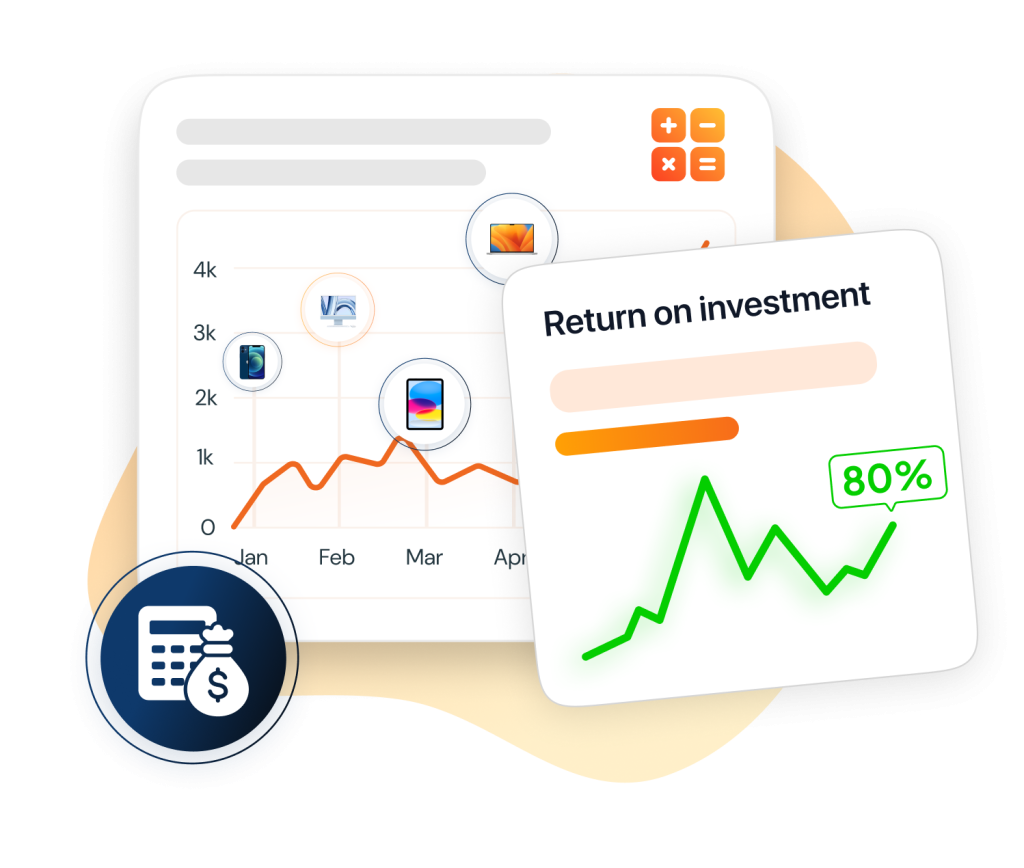
ROI helps quantify the financial impact of an IT asset value recovery initiative by comparing the recovered value against the total associated costs.
Formula:
(Resale Value + Cost Avoidance) – (Recovery Costs + Disposal Fees)
Example Calculation
- Resell 120 laptops at an average of $175 each = $21,000
- Save $18,000 by redeploying available devices instead of purchasing new ones
- Deduct $6,000 in recovery, logistics, and processing expenses
Net ROI: $33,000 in recovered value
IT Asset Recovery Cost
Determining the exact cost of IT asset recycling and recovery can feel complicated. Several key factors influence pricing, including:
Hardware Specifications
The type, age, and condition of your IT assets affect cost. Higher value or specialized equipment might need extra care and handling.
Electronics Recycling
If recycling is part of the service, it adds value but can also impact the price. The scope and methods of recycling offered vary between providers.
Storage Costs
Warehousing your assets with a vendor involves costs for space, security, and ongoing maintenance. Be sure to consider these expenses if you choose this option.
Volume of Assets
The number of devices being recovered matters. Larger volumes may require additional resources, which can influence pricing.
Additional Services
Extras such as data wiping, device testing, refurbishment, remarketing, compliance documentation, and asset management software may also affect the overall cost.
How Unduit Simplifies IT Asset Recovery
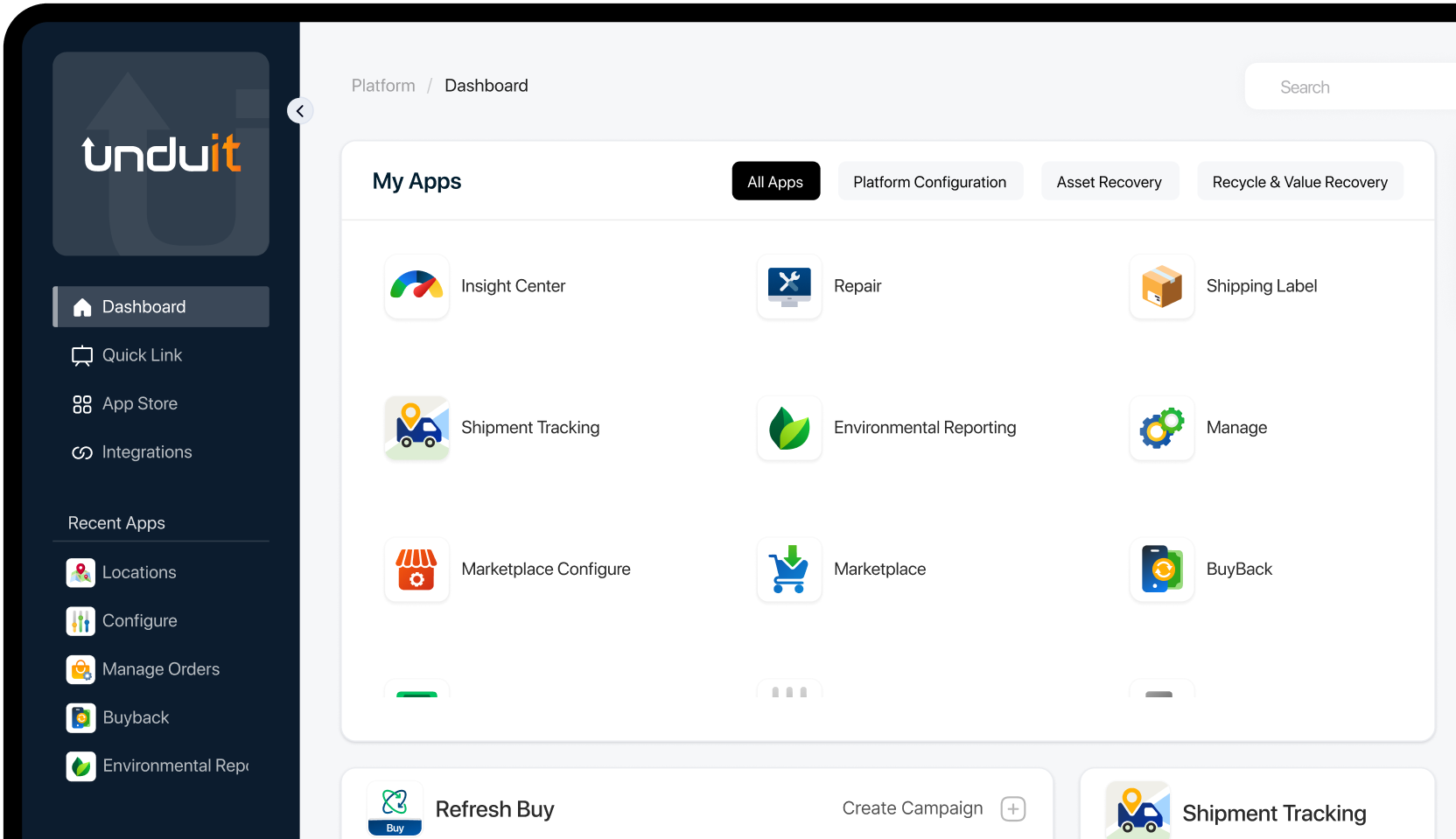
Managing IT asset recovery can be complex and time-consuming. Unduit removes that complexity and provides asset recovery solutions and making the process clear and manageable for IT teams. Here’s how we help:
End-to-End Visibility
Unduit gives you a complete view of every asset throughout the recovery lifecycle. From retrieval to disposition, you always know where your devices are and what their status is.
Streamlined Processes
We automate key steps like tracking, data wiping, and reporting. This reduces manual work, cuts errors, and keeps your recovery efforts on schedule.
Secure and Compliant Handling
Data security is built into every stage. Certified data destruction and secure logistics safeguard your assets and compliance requirements.
Flexible Recovery Options
Whether you want to redeploy devices internally, recycle responsibly, or resell to maximize returns, Unduit supports your preferred path with tailored solutions.
Global Support Across Locations
No matter where your teams or assets are, Unduit’s network and expertise ensure smooth recovery across regions and compliance with local rules.
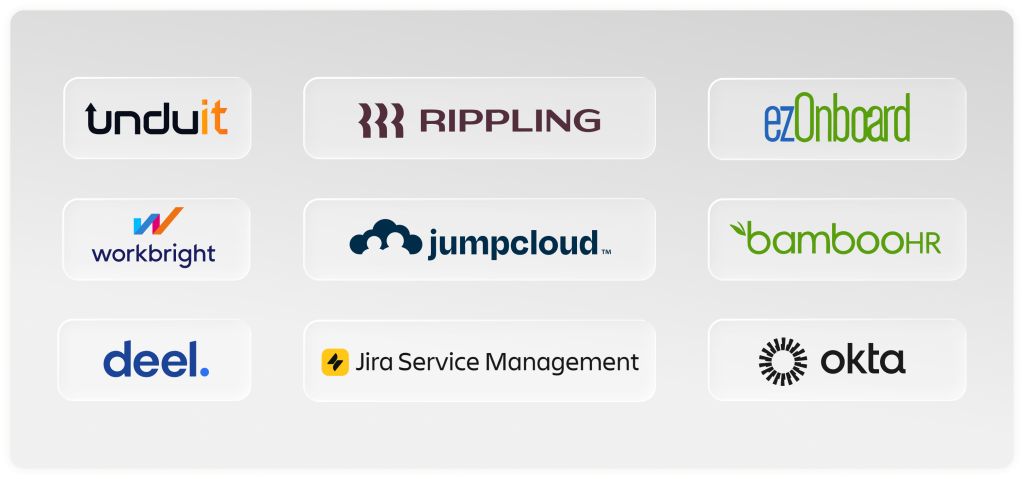
Easy Integration with Your Systems
Unduit connects seamlessly with your IT and asset management platforms. This keeps information aligned and workflows efficient.
By removing friction and providing clear operational insight, Unduit helps IT teams regain control and confidence in asset recovery. We handle the details, so your team can focus on what matters most.
FAQs
Q1: What are secure IT asset recovery and data wiping services?
Secure IT asset recovery and data wiping services involve the safe collection, transport, and erasure of data from retired IT devices. Certified data wiping methods are applied to eliminate sensitive information, while devices are tracked through documented chain of custody. These services reduce data breach risk, ensure regulatory compliance, and support audit-ready reporting.
Q2: How does value recovery work in IT asset disposition for laptops?
Value recovery in IT asset disposition for laptops involves assessing device condition, securely erasing data, and determining optimal resale, refurbishment, or recycling options. Accurate tracking and documentation ensure financial recovery while maintaining compliance and data security. This process helps organizations reclaim value from end-of-life laptops and reduce overall IT costs.
Q3: What is asset recycling and recovery, and why is it important for IT equipment?
Asset recycling and recovery is the process of collecting, refurbishing, or responsibly recycling IT devices to maximize financial return and minimize environmental impact. Secure data sanitization and compliance with regulations ensure safe disposal. This approach supports sustainability, reduces operational risk, and enables organizations to reclaim value from retired IT assets.
Q4: What is asset recovery?
Asset recovery is the process of reclaiming value from retired or surplus IT devices through resale, refurbishment, or recycling while ensuring data security. It includes chain of custody tracking and audit-ready reporting to maintain compliance. Asset recovery reduces financial loss, minimizes environmental impact, and supports efficient IT lifecycle management.
Q5: What are the best practices for IT asset recovery in large organizations?
Best practices for IT asset recovery in large organizations include comprehensive asset tracking, certified data sanitization, secure transportation, and proper documentation of custody. Establishing standardized workflows and compliance checks ensures data security, regulatory adherence, and financial recovery while reducing operational risk and supporting audit-ready reporting.
Q6: What is asset tracking and recovery, and how does it benefit IT operations?
Asset tracking and recovery involves monitoring IT devices throughout their lifecycle while reclaiming value from retired assets. Software-enabled tracking and documented chain of custody enhance data security, compliance, and reporting accuracy. This process improves operational efficiency, reduces risk of lost or unsecured devices, and enables organizations to optimize IT financial recovery.
Q7: Why is IT asset recovery important for business?
IT asset recovery is important for business because it ensures retired or surplus devices are securely managed, data is protected, and value is reclaimed. Proper recovery reduces data breach risk, supports compliance, improves audit readiness, and generates financial returns, helping organizations optimize IT asset lifecycle and reduce operational costs.
Q8: How do I ensure data security during asset recovery?
Ensuring data security during asset recovery requires certified data erasure methods, documented chain of custody, and controlled handling of devices. Monitoring each stage of transport and recovery minimizes exposure to breaches, supports compliance, and ensures audit-ready reporting while maintaining operational efficiency across all retired IT assets.
Q9: How do asset recovery companies work?
Asset recovery companies manage the collection, secure transport, data sanitization, refurbishment, resale, and recycling of IT devices. They apply certified processes and maintain chain of custody documentation to ensure data security and compliance. This allows organizations to reclaim asset value, reduce operational risk, and maintain audit-ready reporting.
Q10: What is the IT asset disposal procedure?
The IT asset disposal procedure involves identifying surplus devices, securely erasing data using certified methods, and determining the appropriate disposal path, such as resale, refurbishment, or recycling. Documented chain of custody and compliance checks ensure data security, regulatory adherence, and accountability throughout the disposal process.
Q11: What is IT asset recovery logistics and how does it ensure secure handling of retired IT devices?
IT asset recovery logistics manages the secure transportation, tracking, and handling of retired IT devices. Inventory management, secure transit, and custody documentation reduce loss and data breach risks. Proper logistics ensure efficient execution of IT asset recovery programs, maintain compliance, and support audit-ready reporting for distributed organizations.
Q12: What do IT asset recovery companies do and why are they important for organizations?
IT asset recovery companies specialize in reclaiming value from retired IT devices while ensuring data security. They provide certified data destruction, refurbishment, resale, recycling, and chain of custody tracking. Their services reduce operational risk, support compliance, and enable organizations to efficiently manage IT asset lifecycle and recover financial value.
Q13: What is the easiest way to manage IT asset recovery across multiple locations?
The easiest way to manage IT asset recovery across multiple locations is through centralized software-enabled tracking, standardized workflows, and documented chain of custody. This approach ensures consistent data sanitization, compliance, and audit-ready reporting while reducing operational complexity and minimizing risks associated with distributed IT assets.