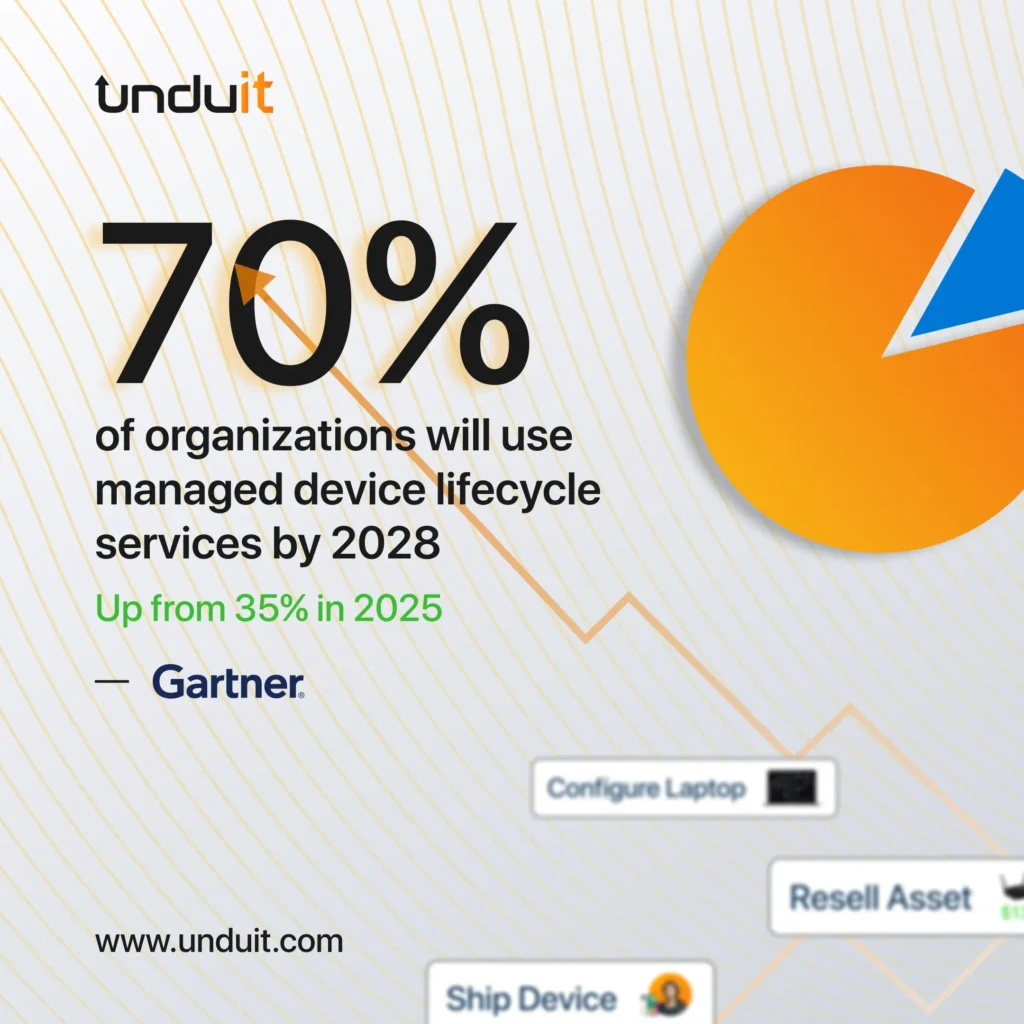
“By 2028, more than 70% of enterprises will rely on Managed Device Lifecycle Services (MDLS).” That’s not just another industry projection; it’s Gartner’s latest insight into how IT leaders are rethinking the way they manage their device fleets.
Key Takeaways
- By 2028, most enterprises will shift to Managed Device Lifecycle Services, turning hardware chaos into streamlined, outcome-based operations.
- Hybrid work and global teams are pushing IT to adopt scalable, automated lifecycle management instead of manual support.
- MDLS reduces cyber risks and ensures compliance by securing every device from deployment to disposal.
- Moving to an OpEx model brings cost control, sustainability, and future readiness—all in one lifecycle strategy.
Let’s unpack what that really means and why this shift is reshaping the entire enterprise technology landscape.
The Era of Device Chaos Is Ending
If you’re leading IT operations today, you know the pain all too well. Laptops that vanish into remote-work oblivion, devices waiting weeks for refresh approvals, and that endless spreadsheet you swear you updated yesterday.
Gartner defines MDLS as “a service model in which organizations pay to have their PCs configured and supported throughout the lifecycle.
The report notes that vendors are now decoupling life cycle services from PC leasing, expanding beyond procurement into AI PC configuration, persona alignment, and unified endpoint management (UEM) capabilities.
Here comes the Managed Device Lifecycle Services (MDLS), a model that takes care of everything from procurement to secure disposal. Think of it as the DevOps for hardware, continuous, intelligent, and lifecycle-driven.
Gartner’s data shows a clear trajectory: by 2028, the majority of enterprises won’t just buy devices; they’ll partner with lifecycle services providers. It’s a massive mindset shift, from ownership to outcomes.
Why IT Leaders Can’t Ignore Managed Device Lifecycle Services Any Longer?
1. The hybrid work reality
Gartner highlights that the shift to hybrid and remote models has “prompted the search for alternatives to traditional PC acquisition and management practices,” driving enterprises toward scalable, automated MDLS frameworks.
With employees scattered across cities and continents, the old IT playbook of desk-side support just doesn’t scale. MDLS providers enable global deployment, support, and retrieval no matter where your people are.
2. Cybersecurity and compliance
Lost or untracked devices are now corporate liabilities. MDLS ensures each endpoint is securely configured, monitored, and retired with data compliance (GDPR, HIPAA, PCI). As Gartner said in its Market Guide, improved patching and configuration compliance under MDLS “reduces cyber risk and operational burden” while maintaining regulatory alignment.
3. Cost and efficiency pressure
CIOs are tired of firefighting, refresh cycles and chasing warranty budgets. Shifting from CapEx to OpEx lifecycle services brings predictability, transparency, and measurable savings.
4. Sustainability mandates
From ESG goals to circular IT practices, companies are being held accountable for their e-waste. MDLS providers embed recycling, refurbishment, and responsible disposal directly into their service design.
Industry Validation: It’s Not Hype, It’s Happening
According to Gartner, by 2028, 70% of organizations will adopt a managed device life cycle service offering, up from fewer than 35% in 2025. Gartner also notes that key vendor capabilities now include circularity (reuse, redeployment, repurposing of devices) and both CapEx/OpEx procurement flexibility.
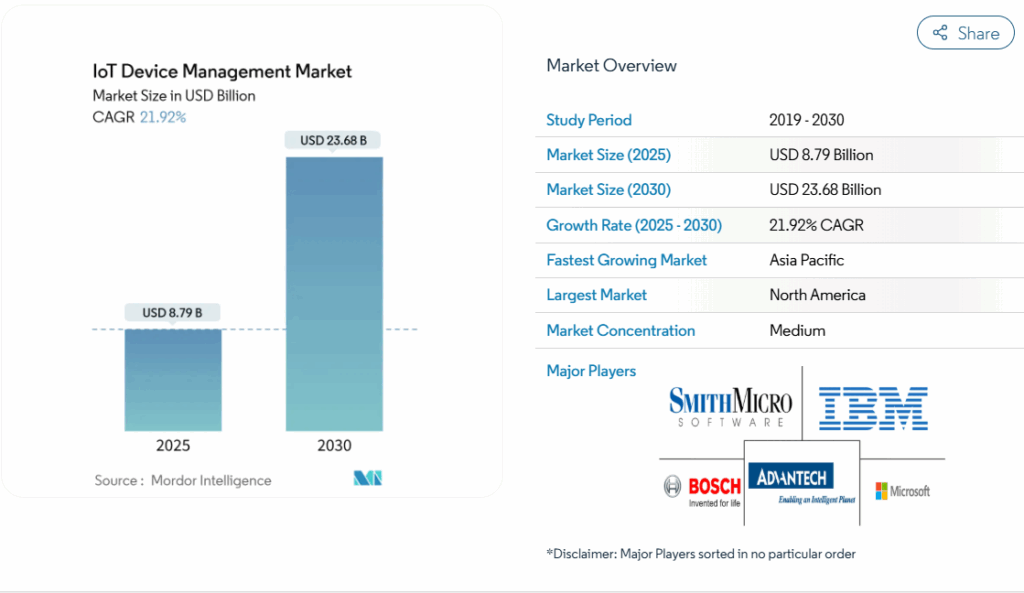
The Mordor Intelligence “IoT Device Management Market” report forecasts the device-management services segment (in the broader IoT usage case) growing at a CAGR of ~21.92% between 2025-2030, from USD 8.79 billion in 2025.
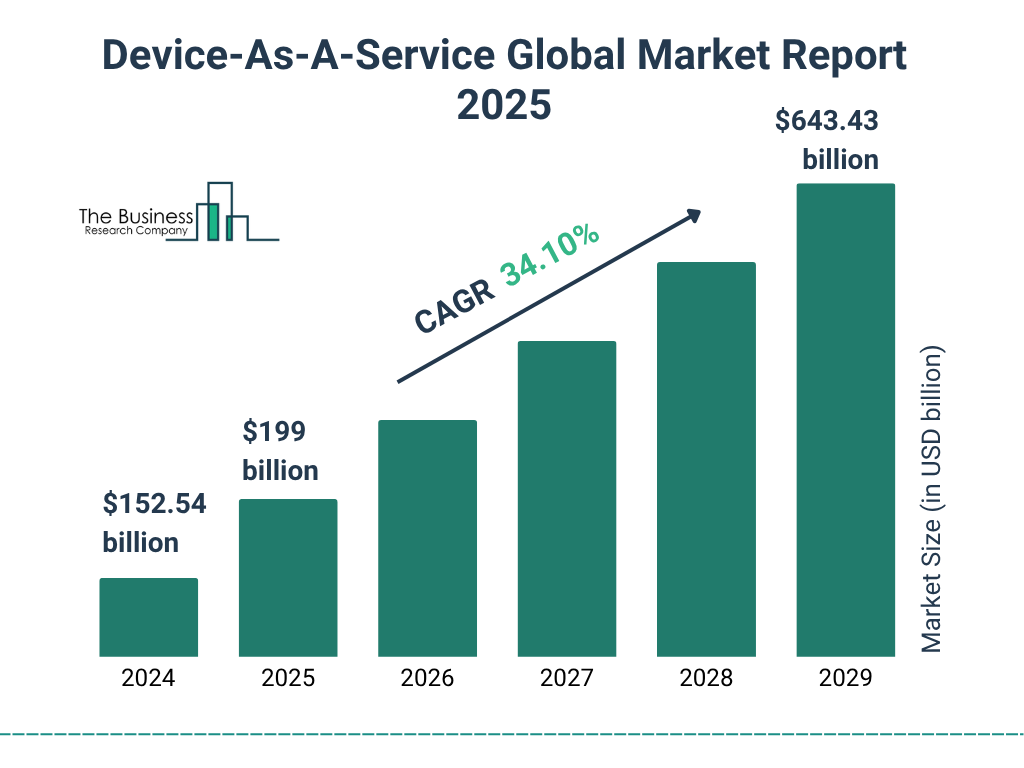
What it shows: The chart tracks how services that manage device fleets (including provisioning, remote support, lifecycle refresh, and disposal) are projected to grow rapidly over the coming years, driven by hybrid/remote work, edge computing, and IoT-device expansion.
Why it matters: For IT decision-makers, it signals that lifecycle services are becoming a mainstream spend category, not a niche. If you’re still managing devices manually, you’re on the slower side of the curve.
Technology/Service Adoption Curve
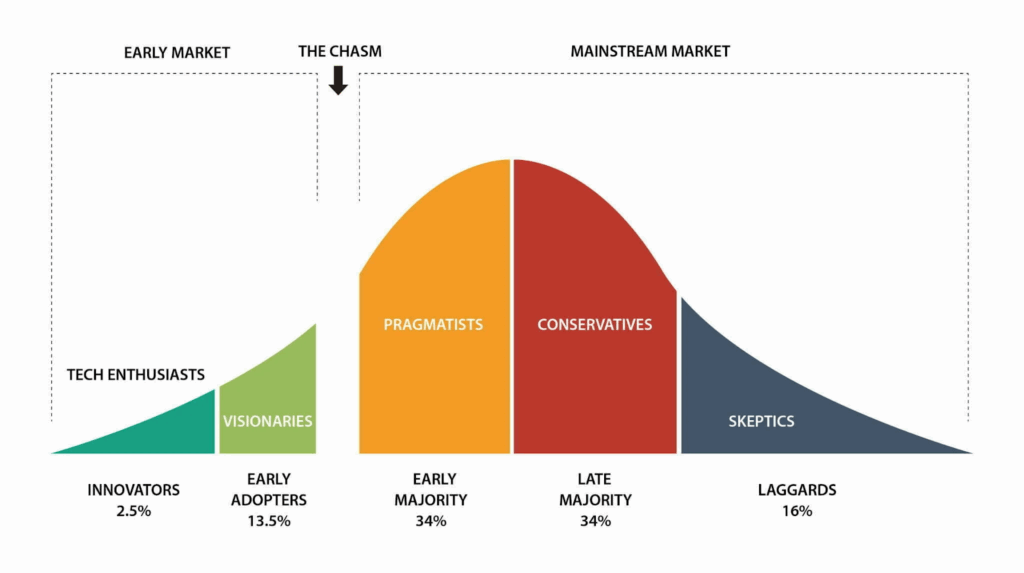
What it shows: This illustrates how new service models move from innovators/early adopters to early majority and then late majority.
Why it matters: The “70% by 2028” forecast from Gartner places your organisation at a crossroads; we’re nearing the early-majority inflection. Early adopters will reap benefits now; waiting too long means playing catch-up.
Why Future Readiness Matters More Than Ever
Here’s the catch: by the time ‘everyone’s doing MDLS,’ it’ll already be too late to catch up. As Gartner highlights that future-ready IT leaders are already standardizing processes, adopting MDLMS vendors that integrate with ITSM and security platforms, and rethinking how devices fit into their business continuity strategies. Those who wait until 2028 will be reacting to disruption instead of leading it.
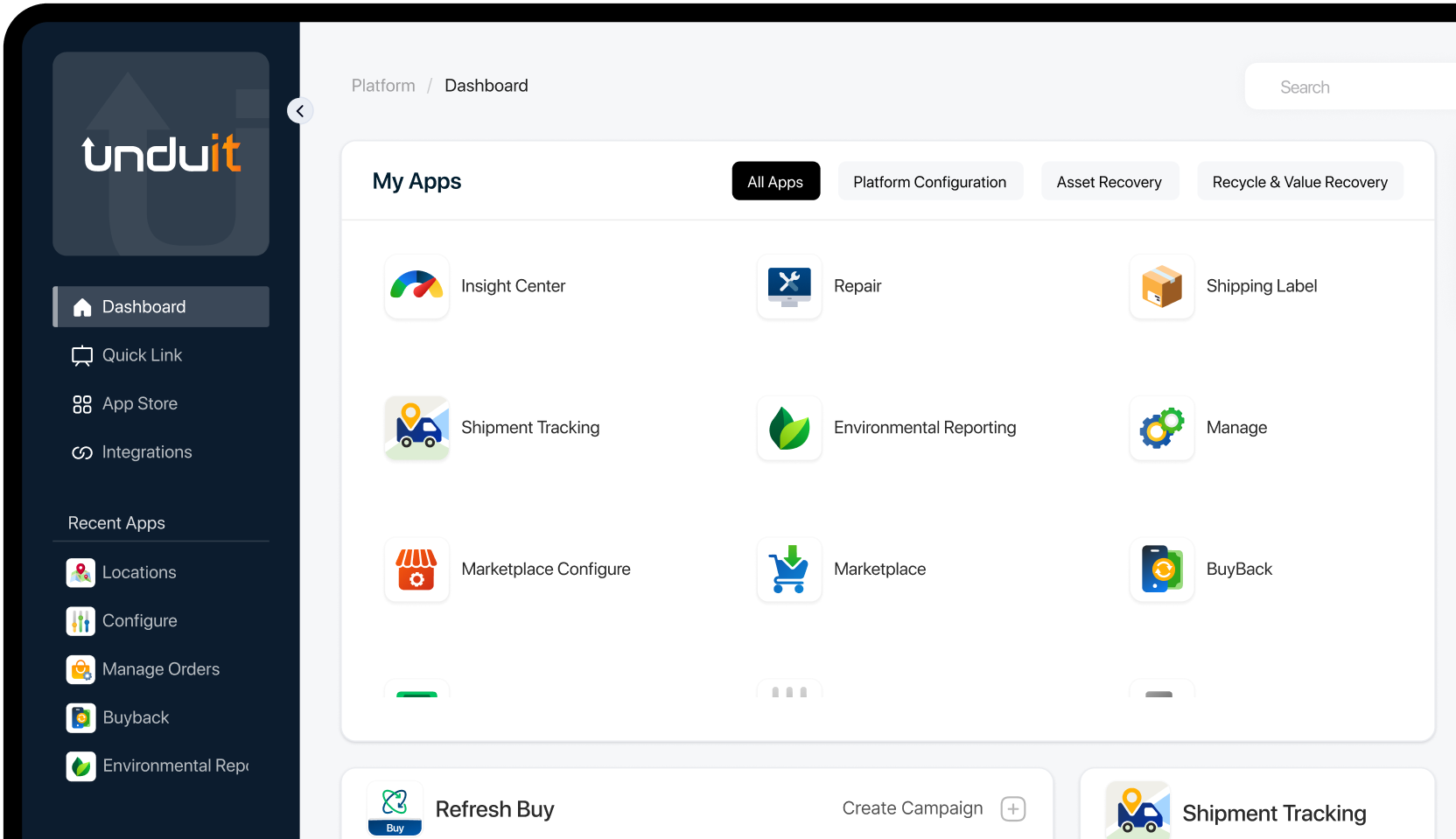
How Unduit Is Enabling This Transformation
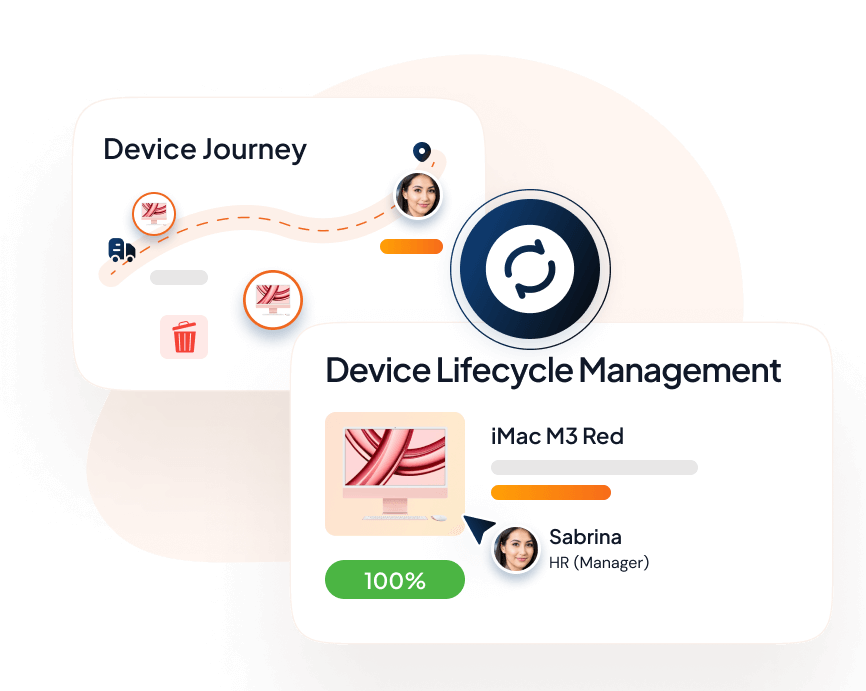
Device Lifecycle Management Services are rewriting the rules for how IT teams manage deployment, refresh cycles, repairs, recovery, and eco-friendly retirement.
Unduit delivers on this transformation through:
- Automation: Intelligent workflows slash provisioning time by up to 60%, freeing your team from manual tasks and delays.
- Sustainability: Certified zero-e-waste recovery and reuse programs maximise value recovery, minimise environmental footprint, and ensure regulatory compliance.
- Visibility: Real-time asset dashboards integrate with your ITSM and security stack, giving immediate insight and control over every device.
With Unduit, future-ready IT isn’t just possible, it’s built in. Your fleet benefits from secure chain-of-custody, seamless integration, rapid global logistics, and instant operational readiness with no lengthy setup required. This is outcome-driven device management, designed for today’s hybrid workplace and tomorrow’s enterprise demands.
Final Thought
Every device in your fleet tells a story of productivity, security, and sustainability. The question is: who’s writing that story, your overwhelmed IT team or a lifecycle partner built for the future?
Now is the time to act, optimize, and get ahead of the curve. Managed Device Lifecycle Services aren’t the future; they’re the new foundation of IT.